

Sushi Rice Mixer vs. Traditional Methods: Which is Best?
Release Time:2025-06-23
Sushi Rice Mixer vs. Traditional Methods: Which is Best?
Table of Contents
- Introduction to Sushi Rice Preparation
- The Importance of Perfect Sushi Rice
- Exploring Traditional Methods of Preparing Sushi Rice
- Understanding Sushi Rice Mixers
- Pros and Cons of Sushi Rice Mixers vs. Traditional Methods
- Taste and Texture: A Comparative Analysis
- Time and Effort: Which Method Saves More?
- Cost Analysis: Budgeting for Sushi Rice Preparation
- Frequently Asked Questions
- Conclusion: Making the Right Choice for Your Kitchen
Introduction to Sushi Rice Preparation
Sushi rice is the heart and soul of sushi dishes. Its unique texture and flavor are crucial in creating that authentic sushi experience. However, preparing sushi rice might seem daunting, especially for beginners. In recent years, sushi rice mixers have gained popularity as convenient alternatives to traditional methods. This article delves deep into comparing sushi rice mixers with traditional techniques to help you determine which is best for your kitchen.
The Importance of Perfect Sushi Rice
Achieving the perfect sushi rice is fundamental for any sushi dish—from nigiri to maki rolls. The right sushi rice has a sticky texture that allows it to hold together while maintaining a soft, yet slightly chewy bite. A good sushi rice preparation process also enhances the rice's flavor, thanks to the careful blending of vinegar, sugar, and salt, which is essential for seasoning the rice correctly.
Exploring Traditional Methods of Preparing Sushi Rice
Traditional methods for preparing sushi rice involve several steps that require attention to detail and a good understanding of the ingredients. Here’s a breakdown of the traditional process:
Step 1: Selecting the Right Rice
Choosing the appropriate rice is critical. Sushi rice is typically short-grain rice, known for its high starch content, which contributes to its sticky texture.
Step 2: Washing the Rice
The washing process is vital. Rinsing the rice several times under cold water removes excess starch, preventing the rice from becoming too gooey.
Step 3: Cooking the Rice
Cooking sushi rice requires precision. Using the right water-to-rice ratio is essential—usually 1:1.2 or 1:1.5, depending on the rice type and brand. It's often cooked in a rice cooker or on the stove, followed by a resting period to ensure even moisture distribution.
Step 4: Seasoning the Rice
After cooking, the rice must be seasoned with a mixture of rice vinegar, sugar, and salt. This step is crucial, as it imparts the signature flavor profile of sushi rice.
Understanding Sushi Rice Mixers
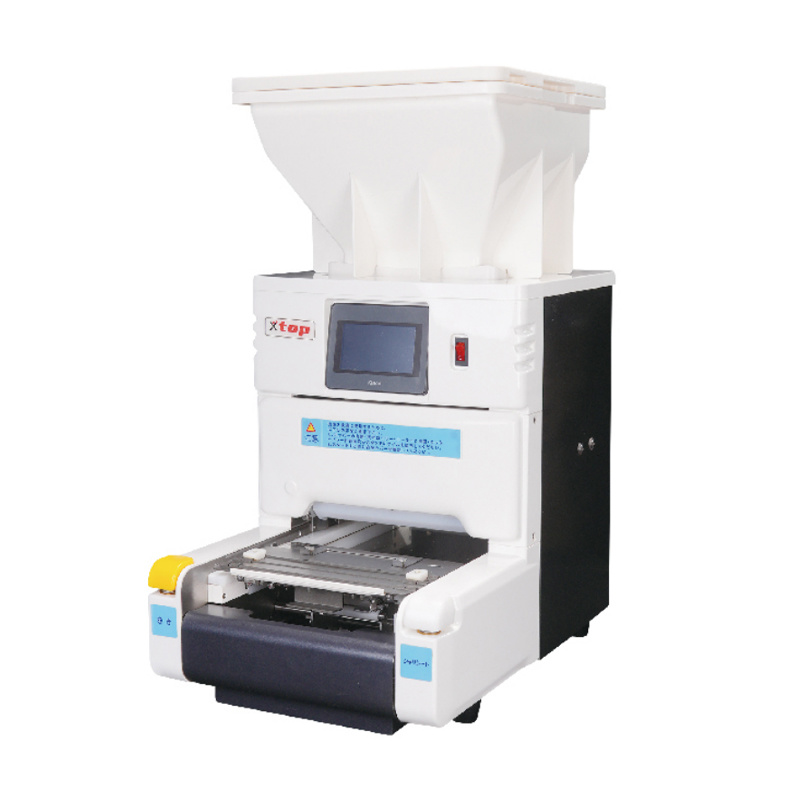
Sushi rice mixers are modern kitchen appliances designed to streamline the sushi rice preparation process. They automate several steps, making it easier and quicker for both novices and experienced chefs.
How Sushi Rice Mixers Work
Sushi rice mixers typically combine cooking and mixing functions. After adding the rinsed rice and water, the appliance cooks the rice and automatically mixes it with seasoning at the end of the cooking cycle, ensuring uniform flavor and texture.
Key Features of Sushi Rice Mixers
1. **Automated Cooking and Mixing:** Saves time and effort.
2. **Consistent Results:** Ensures uniform texture and flavor every time.
3. **User-Friendly Design:** Typically designed with pre-set functions to simplify the process.
Pros and Cons of Sushi Rice Mixers vs. Traditional Methods
When deciding between sushi rice mixers and traditional methods, it's essential to weigh the advantages and disadvantages of each approach.
Pros of Sushi Rice Mixers
- **Time-Saving:** Automates multiple steps, allowing for quicker preparation.
- **Ease of Use:** Great for beginners with little experience.
- **Consistent Quality:** Reduces the risk of errors.
Cons of Sushi Rice Mixers
- **Initial Investment:** Higher upfront cost compared to traditional methods.
- **Limited Control:** Less flexibility in adjusting cooking and mixing techniques.
Pros of Traditional Methods
- **Full Control:** Offers the opportunity to refine techniques and flavors.
- **No Equipment Required:** Only requires basic kitchen tools.
Cons of Traditional Methods
- **Time-Consuming:** Requires more time and attention.
- **Skill Level Dependent:** Results may vary based on the cook’s experience.
Taste and Texture: A Comparative Analysis
Taste and texture are the most significant factors influencing your choice between sushi rice mixers and traditional methods.
Flavor Profiles
When prepared traditionally, sushi rice can be adjusted to personal taste. The hand-mixing allows for a more tailored seasoning process. On the other hand, sushi rice mixers follow set recipes, which may limit the customization of flavors.
Texture Differences
Texture can vary based on the method used. Traditional methods can yield a slightly firmer and more authentic texture, while sushi rice mixers create a consistently sticky rice that some might prefer. Ultimately, personal preference plays a significant role in determining which texture is best.
Time and Effort: Which Method Saves More?
Time efficiency is a critical factor for many home cooks.
Time Investment in Traditional Methods
Preparing sushi rice the traditional way can take anywhere from 30 minutes to over an hour, depending on the cook's skill and the specifics of the recipe.
Efficiency of Sushi Rice Mixers
In contrast, sushi rice mixers can significantly reduce this time. They often take approximately 20-30 minutes from start to finish, allowing you to multitask in the kitchen.
Cost Analysis: Budgeting for Sushi Rice Preparation
When considering the best option for sushi rice preparation, it's essential to evaluate the costs associated with each method.
Initial Costs of Sushi Rice Mixers
Sushi rice mixers typically range from $100 to $300, depending on the brand and features. While this might seem steep initially, consider the time saved and the quality of results.
Budgeting for Traditional Methods
Traditional methods require minimal investment in kitchen tools and ingredients, generally costing less than a sushi rice mixer. However, the time commitment and potential for inconsistent results should be factored into your overall cost.
Frequently Asked Questions
1. Can I use regular rice for sushi?
No, traditional sushi rice is short-grain and sticky, which is essential for holding the sushi together.
2. How do I clean a sushi rice mixer?
Most sushi rice mixers have removable parts that can be washed easily. Follow the manufacturer's instructions for cleaning and maintenance.
3. Are sushi rice mixers worth the investment?
For those who frequently make sushi at home, the time and consistency benefits of a sushi rice mixer can justify the investment.
4. Can I make sushi rice without a rice cooker?
Yes, sushi rice can be made on the stovetop, but it requires more attention and skill.
5. How long does sushi rice last after cooking?
Cooked sushi rice is best consumed within a few hours but can be stored in the refrigerator for up to 24 hours.
Conclusion: Making the Right Choice for Your Kitchen
In the end, whether to choose a sushi rice mixer or stick with traditional methods depends on personal preference, cooking habits, and budget. **Sushi rice mixers** offer unparalleled convenience and consistency, making them ideal for busy home cooks and those new to sushi preparation. **Traditional methods**, however, provide a hands-on experience that can lead to a deeper understanding of sushi making. Whichever method you choose, mastering the art of sushi rice will undoubtedly elevate your culinary skills and enhance your sushi-making journey.
Keywords:Sushi Rice Mixer
CATEGORY
Related News

2024-02-03

Related



Founded in 1993, we adhere to the corporate mission of "continuous innovation to achieve customer success" and implement the corporate values of "quality with respect and service with gratitude".
CONTACT US
Add: No.2,Yiheng Rd.,Hengjiao ind. zone, Baiyun distr. Guangzhou China.
WeChat/Tel: +86 13302266689 / 86 13926470046
Tel: +86 20 26272813 / +1 5166663709

WeChat ID.