

Innovative Designs of Sushi Food Delivery Trains for Optimal Performance
Release Time:2026-08-19
Innovative Designs of Sushi Food Delivery Trains for Optimal Performance
Table of Contents
- 1. Introduction to Sushi Food Delivery Trains
- 2. Importance of Innovative Designs
- 3. Key Features of Modern Sushi Delivery Trains
- 4. Technology Behind Sushi Delivery Systems
- 5. Design Principles for Optimal Performance
- 6. Sustainable Practices in Sushi Delivery Design
- 7. Case Studies of Successful Implementation
- 8. Future Trends in Sushi Food Delivery Innovations
- 9. Frequently Asked Questions
- 10. Conclusion
1. Introduction to Sushi Food Delivery Trains
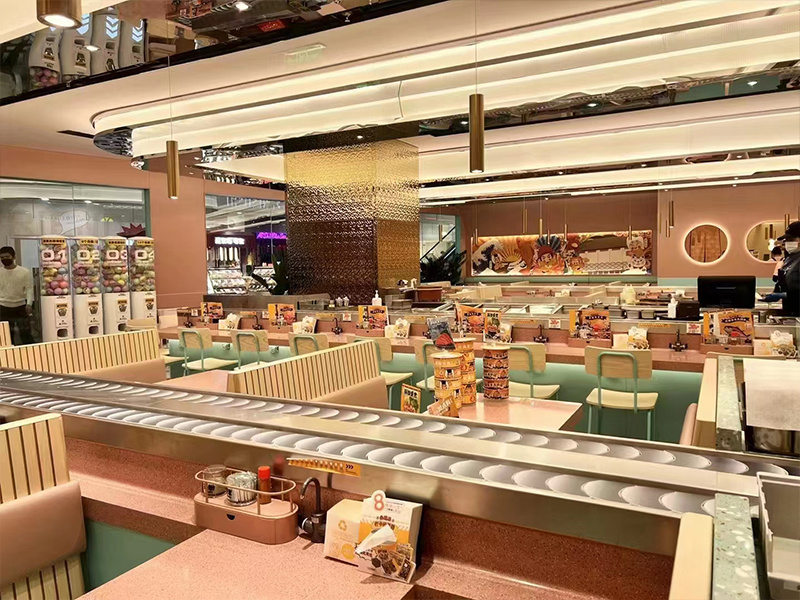
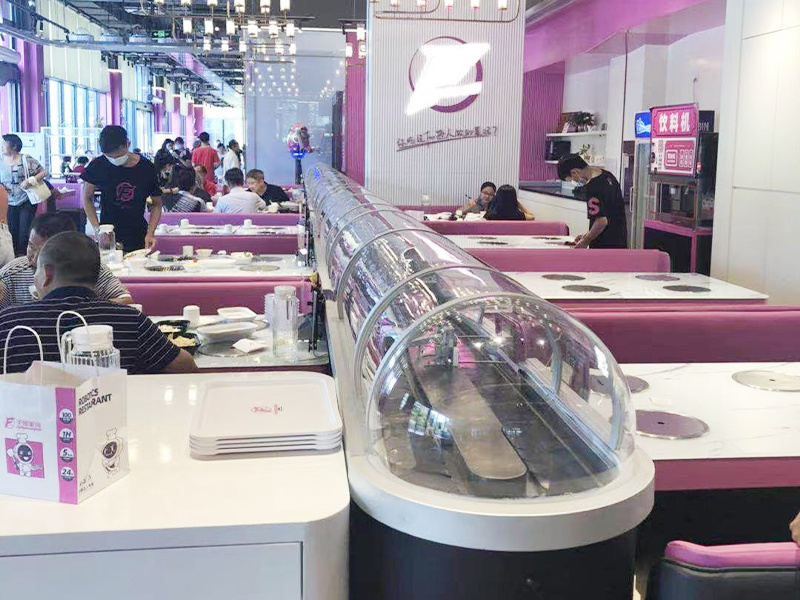
Sushi food delivery trains have revolutionized the way sushi is enjoyed in restaurants and dining establishments. These innovative systems, often featuring a continuous loop of tracks, allow for the efficient transportation of sushi plates directly to customers. The attractive design and operational efficiency of these trains not only enhance the dining experience but also streamline service, making them a popular choice among sushi restaurants. In an age where customer experience is paramount, understanding the innovations behind these systems becomes essential for restaurant owners and food service professionals.
2. Importance of Innovative Designs
The demand for sushi has grown tremendously over the past few decades, prompting an increase in sushi-serving establishments. This surge in popularity underscores the need for innovative designs within sushi delivery systems. Effective designs contribute to:
- **Improved Efficiency**: Faster service leads to increased customer satisfaction.
- **Enhanced Aesthetics**: A visually appealing delivery system attracts customers and elevates the dining experience.
- **Operational Cost Reduction**: Streamlined processes minimize labor costs and reduce wait times.
These factors illustrate why the design and functionality of sushi delivery trains are crucial for modern restaurants aiming to outperform competitors.
3. Key Features of Modern Sushi Delivery Trains
Modern sushi delivery trains come equipped with several advanced features that set them apart from traditional serving methods. Key features include:
3.1. Automated Tracking Systems
Automated tracking systems enable precise navigation of food delivery trains, ensuring they reach their destinations efficiently. Sensors allow the trains to detect obstacles, making them safe for busy restaurant environments.
3.2. Customizable Designs
Many sushi delivery trains can be customized in terms of size, color, and branding, allowing businesses to tailor them to their unique brand identity and interior design.
3.3. Temperature Control Mechanisms
Temperature control mechanisms keep sushi fresh and at optimal temperatures during transport. This feature is crucial for maintaining the quality of the food, enhancing customer satisfaction.
3.4. User-Friendly Interfaces
Modern systems often include user-friendly interfaces, allowing staff to quickly update orders and track food delivery in real time.
4. Technology Behind Sushi Delivery Systems
The integration of technology in sushi food delivery trains plays a significant role in their performance. Several technological advancements include:
4.1. RFID Technology
Radio-frequency identification (RFID) technology allows for smart inventory management and order tracking. This technology ensures that the right dishes are delivered to the right tables, minimizing errors.
4.2. IoT Integration
Internet of Things (IoT) integration means that sushi delivery trains can connect to a restaurant's management system. This connectivity provides valuable data for analyzing customer preferences and optimizing the menu.
4.3. Smart Sensors
Smart sensors monitor the condition of food items, alerting staff when a dish is nearing the end of its freshness. This ensures that only the best quality food reaches customers.
5. Design Principles for Optimal Performance
Several design principles can enhance the performance of sushi delivery trains. These include:
5.1. Ergonomics
Ergonomic designs ensure ease of use for both customers and staff. Thoughtful placement of controls and comfortable heights contribute to an efficient dining experience.
5.2. Space Efficiency
Innovative designs make the best use of available space without compromising on functionality. Compact systems can fit into smaller establishments, making them accessible to a wider range of businesses.
5.3. Aesthetic Appeal
A visually appealing delivery train captivates diners. Colors, materials, and overall aesthetics can be tailored to enhance the restaurant's theme and ambiance.
6. Sustainable Practices in Sushi Delivery Design
Sustainability is a growing concern in the food service industry. Sushi food delivery trains can incorporate sustainable practices, such as:
6.1. Eco-Friendly Materials
Using recyclable materials in the construction of sushi delivery trains reduces the environmental impact and appeals to eco-conscious customers.
6.2. Energy Efficiency
Energy-efficient motors and lighting can minimize energy consumption, making sushi delivery systems more sustainable.
7. Case Studies of Successful Implementation
Numerous restaurants worldwide have successfully implemented sushi food delivery trains, enhancing their service quality. Notable examples include:
7.1. Restaurant A
Located in Tokyo, Restaurant A integrated a high-tech sushi delivery train, which improved service speed by 40%. The restaurant reported a significant increase in customer satisfaction and repeat business.
7.2. Restaurant B
In New York City, Restaurant B utilized customizable sushi trains to fit their unique brand. The aesthetic appeal attracted more diners and became a talking point, fostering a vibrant dining community.
8. Future Trends in Sushi Food Delivery Innovations
As technology continues to evolve, so too will sushi food delivery trains. Anticipated future trends include:
8.1. Automation and Robotics
Increased automation may lead to fully robotic sushi delivery systems that reduce reliance on human staff while maintaining high service standards.
8.2. Enhanced Customization
Future sushi delivery trains may offer even more customization options, allowing restaurants to adapt their systems in real-time based on customer preferences and seasonal menu changes.
9. Frequently Asked Questions
9.1. What are sushi food delivery trains?
Sushi food delivery trains are automated systems designed to transport sushi plates directly to customers, enhancing the dining experience.
9.2. How do sushi delivery trains improve efficiency?
These trains streamline service by reducing wait times and ensuring that food is delivered quickly and accurately.
9.3. Can sushi delivery trains be customized?
Yes, many sushi delivery trains can be customized in terms of design, size, and features to align with a restaurant's branding.
9.4. What technologies are commonly used in sushi delivery trains?
Common technologies include RFID, IoT integration, and smart sensors for inventory management and temperature control.
9.5. Are sushi delivery trains eco-friendly?
Many modern sushi delivery trains incorporate sustainable materials and energy-efficient designs to minimize their environmental impact.
10. Conclusion
Innovative designs of sushi food delivery trains are reshaping the dining experience by enhancing efficiency and customer satisfaction. By focusing on key features, technological advancements, and sustainability practices, modern sushi delivery systems are not only functional but also visually appealing. As the industry continues to evolve, embracing these innovations will be crucial for restaurants striving to provide exceptional dining experiences. Understanding and implementing these insights will enable restaurant owners to stay ahead of the competition and meet the demands of an ever-growing sushi-loving clientele.
Keywords:Sushi Food Delivery Trains
Previous
CATEGORY
Related News
2024-02-03

Related



Founded in 1993, we adhere to the corporate mission of "continuous innovation to achieve customer success" and implement the corporate values of "quality with respect and service with gratitude".
CONTACT US
Add: No.2,Yiheng Rd.,Hengjiao ind. zone, Baiyun distr. Guangzhou China.
WeChat/Tel: +86 13302266689 / 86 13926470046
Tel: +86 20 26272813 / +1 5166663709

WeChat ID.