


How Intelligent Conveyor Systems Enhance Efficiency in Industrial Settings
Release Time:2025-06-27
How Intelligent Conveyor Systems Enhance Efficiency in Industrial Settings
Table of Contents
- 1. Introduction to Intelligent Conveyor Systems
- 2. Understanding Conveyor Systems and Their Components
- 3. Benefits of Intelligent Conveyor Systems
- 3.1 Enhanced Efficiency and Speed
- 3.2 A Cost-Effective Solution
- 3.3 Improved Safety Features
- 3.4 Flexibility and Scalability
- 4. Technology Integration in Conveyor Systems
- 5. Applications of Intelligent Conveyor Systems in Industrial Settings
- 6. Challenges and Solutions in Implementing Intelligent Conveyor Systems
- 7. The Future of Conveyor Systems
- 8. Conclusion
- 9. FAQs
1. Introduction to Intelligent Conveyor Systems
Intelligent conveyor systems are revolutionizing industrial operations around the globe. By incorporating cutting-edge technology, these systems enhance the way goods and materials are transported within various industries. Not only do intelligent conveyor systems improve operational efficiency, but they also reduce downtime, minimize human error, and optimize the supply chain. In this article, we will delve into the numerous advantages of intelligent conveyor systems and their impact on industrial environments.
2. Understanding Conveyor Systems and Their Components
Conveyor systems serve as the backbone of many industrial processes, facilitating the smooth movement of goods from one point to another. These systems comprise several key components, including:
2.1 Belt Conveyors
Belt conveyors utilize a continuous loop of material to transport products. They are widely used due to their reliability and versatility.
2.2 Roller Conveyors
These conveyors use a series of rollers to move items along a flat surface. They are ideal for handling heavy or bulky materials.
2.3 Chain Conveyors
Chain conveyors employ a chain mechanism to move products, providing superior durability for heavy loads.
2.4 Magnetic Conveyors
Magnetic conveyors use magnets to hold and transport magnetic materials, offering a unique solution for specific applications.
Understanding these components is essential for recognizing how intelligent conveyor systems enhance efficiency.
3. Benefits of Intelligent Conveyor Systems
Intelligent conveyor systems provide numerous benefits that can significantly improve efficiency in industrial settings.
3.1 Enhanced Efficiency and Speed
Intelligent conveyor systems automate the movement of goods, allowing for faster processing times. With real-time monitoring and automated data collection, these systems can optimize routes and reduce the time it takes to transport materials.
3.2 A Cost-Effective Solution
While the upfront costs for intelligent conveyor systems may be higher, the long-term savings are substantial. Reduced labor costs, lower error rates, and increased productivity lead to a rapid return on investment.
3.3 Improved Safety Features
Safety is paramount in industrial settings. Intelligent conveyor systems are designed with advanced safety features, such as emergency stop buttons, sensors to detect obstructions, and automated alerts that enhance workplace safety.
3.4 Flexibility and Scalability
As businesses grow, their needs evolve. Intelligent conveyor systems are adaptable, allowing for easy modifications and expansions to meet changing production demands.
4. Technology Integration in Conveyor Systems
The integration of advanced technologies into conveyor systems has been a game-changer.
4.1 Automation and IoT
The Internet of Things (IoT) connects conveyor systems to the network, enabling remote monitoring and control. This automation allows for predictive maintenance and real-time adjustments, further optimizing efficiency.
4.2 Artificial Intelligence
AI algorithms help in analyzing data collected from conveyor systems, identifying patterns, and making informed decisions that streamline operations.
5. Applications of Intelligent Conveyor Systems in Industrial Settings
Intelligent conveyor systems have a wide range of applications across various industries.
5.1 Food and Beverage Industry
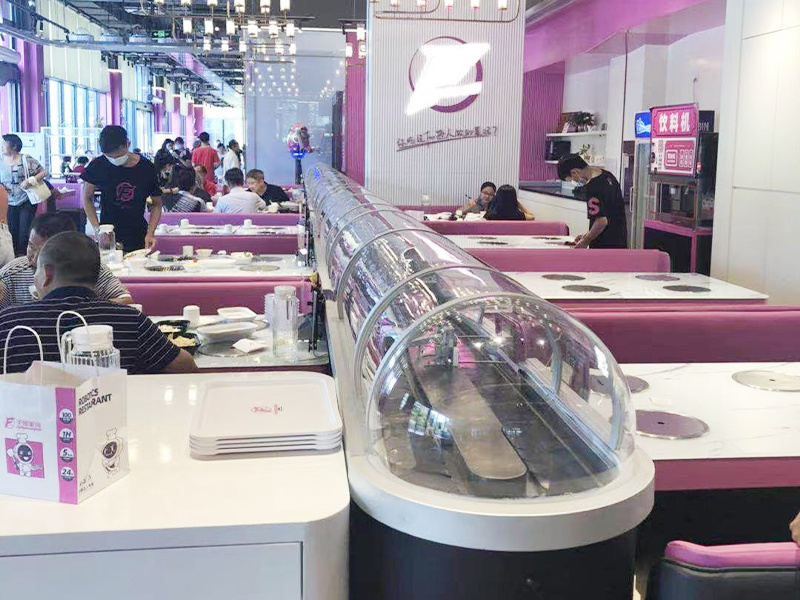
In the food and beverage sector, intelligent conveyor systems ensure that products are transported safely and efficiently, meeting strict hygiene standards while optimizing production lines.
5.2 Manufacturing Industry
Manufacturers benefit from intelligent conveyor systems through improved assembly line efficiency, reduced labor costs, and enhanced quality control.
5.3 Pharmaceutical Industry
Pharmaceutical companies utilize intelligent conveyor systems to ensure the safe and efficient transport of sensitive materials, adhering to rigorous regulatory requirements.
6. Challenges and Solutions in Implementing Intelligent Conveyor Systems
Despite their advantages, implementing intelligent conveyor systems comes with challenges.
6.1 Initial Costs
The initial investment required for intelligent conveyor systems can be a barrier for some businesses. However, understanding the long-term cost savings can help justify the expenditure.
6.2 Maintenance and Upkeep
Regular maintenance is crucial to the longevity of conveyor systems. Implementing a proactive maintenance strategy can mitigate downtime and ensure optimal performance.
7. The Future of Conveyor Systems
The future of conveyor systems is bright, with advancements in technology driving innovation. Expect to see even more sophisticated systems that leverage AI, machine learning, and robotics to further enhance efficiency.
8. Conclusion
Intelligent conveyor systems are a vital component of modern industrial settings. By enhancing efficiency, reducing costs, and improving safety, these systems lead the way for businesses looking to optimize their operations. As technology continues to evolve, the potential for intelligent conveyor systems will expand, making them an indispensable tool in the industrial landscape.
9. FAQs
1. What are intelligent conveyor systems?
Intelligent conveyor systems are automated systems that utilize advanced technologies, such as IoT and AI, to optimize the transport of materials and goods in industrial settings.
2. How do intelligent conveyor systems improve efficiency?
These systems enhance efficiency by automating processes, reducing human error, increasing speed, and providing real-time data for decision-making.
3. What industries benefit from intelligent conveyor systems?
Industries such as food and beverage, manufacturing, and pharmaceuticals greatly benefit from the efficiency and safety improvements provided by intelligent conveyor systems.
4. Are intelligent conveyor systems expensive?
While the initial costs can be high, the long-term savings and increased productivity often justify the investment.
5. How do I maintain an intelligent conveyor system?
Regular inspections, preventive maintenance, and timely repairs are essential for ensuring the longevity and optimal performance of intelligent conveyor systems.
Keywords:Intelligent Conveyor System
CATEGORY
Related News

2024-02-03

Related



Founded in 1993, we adhere to the corporate mission of "continuous innovation to achieve customer success" and implement the corporate values of "quality with respect and service with gratitude".
CONTACT US
Add: No.2,Yiheng Rd.,Hengjiao ind. zone, Baiyun distr. Guangzhou China.
WeChat/Tel: +86 13302266689 / 86 13926470046
Tel: +86 20 26272813 / +1 5166663709

WeChat ID.