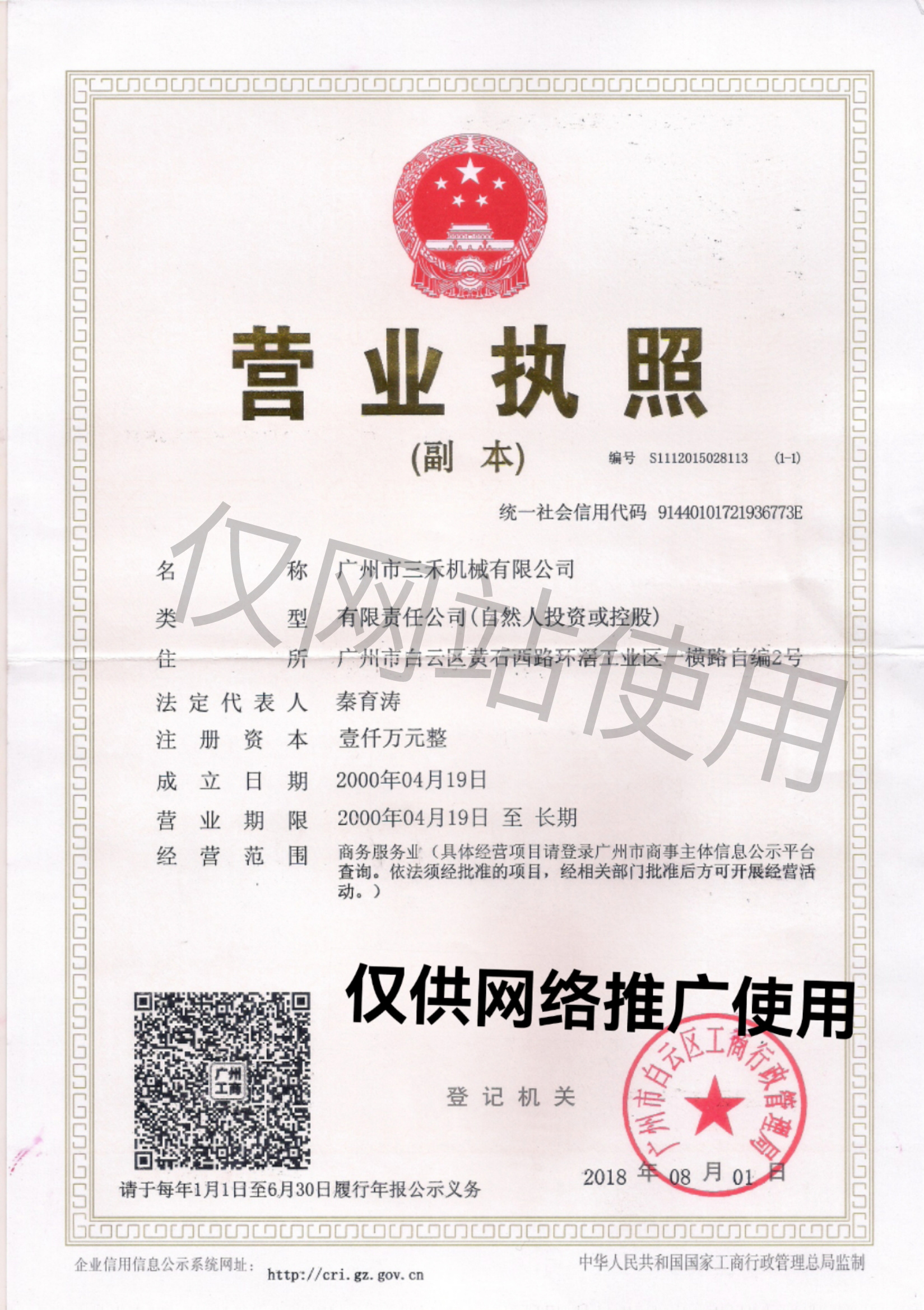


A Deep Dive into the Mechanisms of Sushi Food Delivery Trains
Release Time:2026-01-21
A Deep Dive into the Mechanisms of Sushi Food Delivery Trains
In the fast-evolving world of culinary experiences, sushi food delivery trains have emerged as a fascinating blend of technology and tradition. These unique systems are not only captivating to watch but also serve as efficient solutions for delivering sushi to eager diners. In this comprehensive article, we will explore the intricate mechanisms behind sushi delivery trains, their design, and how they enhance both the dining experience and operational efficiency within restaurants.
Table of Contents
- Introduction to Sushi Food Delivery Trains
- The History of Sushi Delivery Systems
- How Sushi Food Delivery Trains Work
- Key Components of Sushi Delivery Trains
- Benefits of Using Sushi Food Delivery Trains
- Sustainable Practices in Sushi Delivery Train Systems
- The Global Influence of Sushi Delivery Trains
- The Future of Sushi Food Delivery Train Technology
- Frequently Asked Questions
- Conclusion
Introduction to Sushi Food Delivery Trains
Sushi food delivery trains have revolutionized the way sushi is served in restaurants, particularly in Japan. These systems allow diners to enjoy a seamless experience, where plates of sushi glide effortlessly from the kitchen to the table. The design and functionality of these trains showcase a remarkable integration of engineering, culinary art, and customer service. Understanding their mechanisms provides valuable insights into their role in modern dining experiences.
The History of Sushi Delivery Systems
The concept of food delivery via automated systems dates back to the early 20th century. However, sushi delivery trains gained prominence in the 1950s in Japan, coinciding with the rise of conveyor belt sushi restaurants, known as sushiro. These restaurants allowed customers to select their desired sushi from a moving belt, creating a fun and interactive dining experience. Over the decades, the design and technology behind these trains have evolved significantly, enhancing their efficiency and user experience.
How Sushi Food Delivery Trains Work
The core mechanism of sushi food delivery trains relies on a sophisticated system of conveyor belts and tracks that transport food from the kitchen directly to the dining area. Here’s a breakdown of how these systems operate:
The Conveyor Belt System
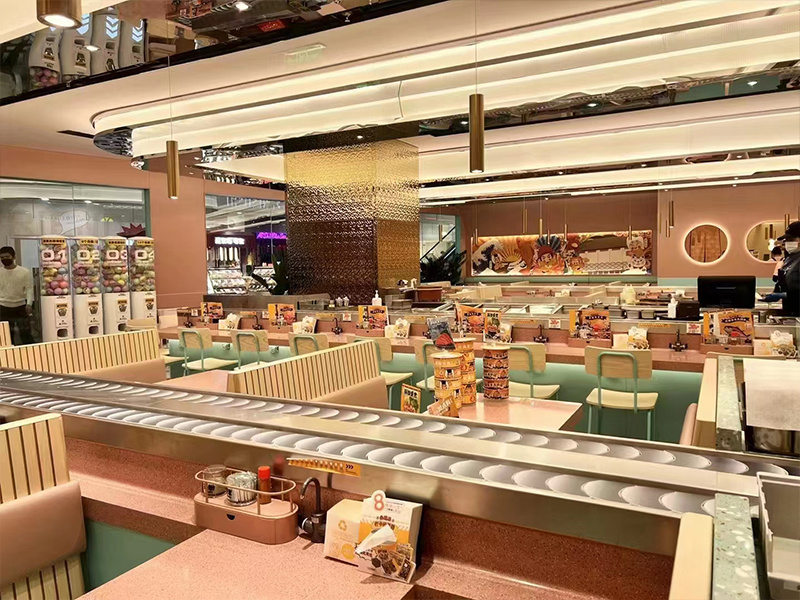
The conveyor belt is the heart of the sushi delivery train. It consists of a continuous loop that transports plates of sushi along predefined paths. The speed of the conveyor can be adjusted based on customer volume and dining pace, ensuring that sushi remains fresh and appealing.
Track and Train Mechanisms
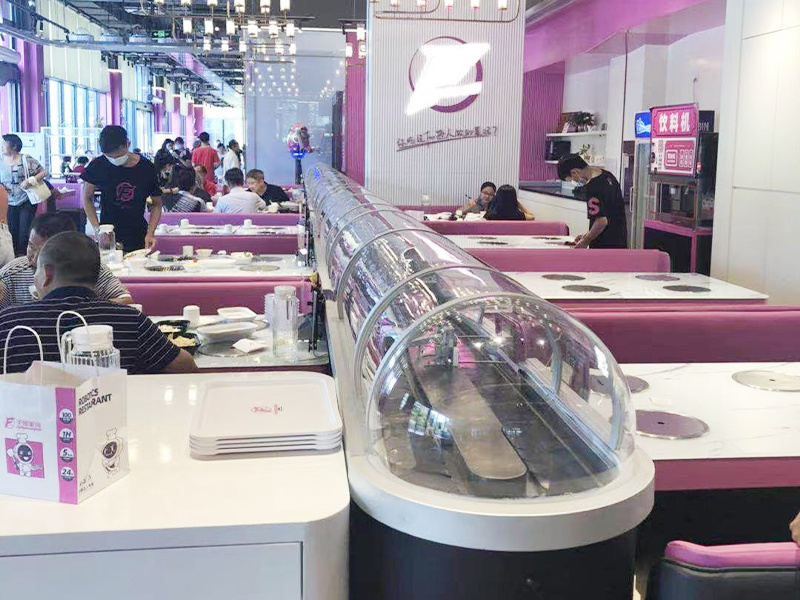
Sushi delivery trains are often equipped with tracks that guide the movement of the train. These tracks can either be linear or circular, allowing for multiple configurations within the restaurant space. Trains are typically powered by electric motors, which provide smooth and quiet operation.
Sensor Technology
Modern sushi delivery trains incorporate advanced sensor technology that detects the presence of diners and adjusts the train's speed accordingly. This technology ensures that the sushi is served at optimal freshness while minimizing wait times.
Key Components of Sushi Delivery Trains
To fully appreciate the functionality of sushi food delivery trains, it’s essential to understand their key components:
1. Sushi Plates
Specially designed plates hold the sushi and are often color-coded to indicate price. This allows customers to easily track their selections and helps staff manage inventory effectively.
2. Action Stations
Action stations are strategically placed along the train’s route, enabling chefs to prepare fresh sushi on demand. This ensures that customers receive high-quality dishes while maintaining the flow of service.
3. Control Panels
Control panels allow staff to monitor and manage the sushi delivery train’s operation. These panels are equipped with features to adjust speed, track inventory, and manage orders efficiently.
4. Safety Features
Safety features such as automatic stops, emergency brakes, and obstacle detection systems ensure that the sushi delivery trains operate safely, preventing accidents and ensuring food safety.
Benefits of Using Sushi Food Delivery Trains
The implementation of sushi food delivery trains in restaurants comes with numerous advantages:
1. Enhanced Dining Experience
Sushi delivery trains create a unique and engaging dining experience that attracts customers. The visual appeal of watching sushi glide by is a significant part of the charm.
2. Increased Efficiency
With a streamlined process, sushi delivery trains minimize wait times and allow for quicker table turnover, enhancing overall restaurant efficiency.
3. Cost-Effectiveness
Automated systems reduce the need for extensive waitstaff, allowing restaurants to operate with fewer employees while maintaining service quality.
4. Variety and Customization
Customers can enjoy a wider variety of sushi, as they can pick and choose their preferences directly from the moving train.
Sustainable Practices in Sushi Delivery Train Systems
As sustainability becomes increasingly important, many sushi delivery train systems are adopting eco-friendly practices:
1. Energy Efficiency
Modern sushi delivery trains are designed to consume less energy, utilizing energy-efficient motors and smart technology to manage power consumption.
2. Waste Reduction
By streamlining food production and delivery, these systems help reduce food waste, ensuring that less sushi goes unserved and more ingredients are utilized effectively.
3. Sustainable Sourcing
Many sushi restaurants are committed to sourcing fish and ingredients sustainably, promoting environmentally friendly practices within their supply chain.
The Global Influence of Sushi Delivery Trains
Sushi delivery trains have not only transformed dining experiences in Japan but have also made their way into restaurants worldwide:
1. International Adoption
Restaurants in North America, Europe, and beyond have embraced the sushi delivery train concept, adapting it to local tastes and dining cultures.
2. Culinary Innovation
These systems inspire chefs to innovate, experimenting with new sushi styles and presentation techniques to enhance the overall dining experience.
3. Cultural Exchange
The global spread of sushi delivery trains fosters cultural exchange, allowing diners to experience Japanese culinary traditions in diverse settings.
The Future of Sushi Food Delivery Train Technology
The future of sushi food delivery trains looks promising as technology continues to advance:
1. Automation and Robotics
Integration of robotics may further streamline operations, allowing for automated sushi preparation and enhanced service capabilities.
2. Enhanced Interactivity
Future systems may incorporate augmented reality, allowing customers to interact with the sushi delivery experience in new and exciting ways.
3. Health Monitoring
Innovations may also include health monitoring systems that track food freshness and quality, ensuring that customers receive the best possible dining experience.
Frequently Asked Questions
1. How do sushi food delivery trains maintain food freshness?
Sushi food delivery trains maintain food freshness through rapid transportation, temperature control, and strategic placement of action stations for on-demand preparation.
2. What types of restaurants use sushi delivery trains?
Various types of restaurants, including traditional sushi bars and modern fusion eateries, have adopted sushi delivery trains to enhance their dining experience.
3. Are sushi delivery trains customizable?
Yes, sushi delivery train systems can be customized to fit the specific layout and theme of a restaurant, including track configurations and plate designs.
4. What is the environmental impact of sushi delivery trains?
When designed with sustainability in mind, sushi delivery trains can reduce energy consumption and food waste, contributing to eco-friendly dining practices.
5. How do I choose the right sushi delivery train for my restaurant?
When selecting a sushi delivery train, consider factors such as restaurant size, customer volume, budget, and desired features to ensure it meets your operational needs.
Conclusion
Sushi food delivery trains represent a remarkable fusion of culinary art and modern technology, enhancing the dining experience while promoting efficiency and sustainability. As these systems continue to evolve, they will undoubtedly shape the future of sushi service not just in Japan, but around the world. By understanding the mechanisms, benefits, and future trends of sushi delivery trains, restaurateurs and food enthusiasts alike can appreciate the intricate workings that make this innovative dining experience possible.
Keywords:Sushi Food Delivery Trains
CATEGORY
Related News
2024-02-03

Related



Founded in 1993, we adhere to the corporate mission of "continuous innovation to achieve customer success" and implement the corporate values of "quality with respect and service with gratitude".
CONTACT US
Add: No.2,Yiheng Rd.,Hengjiao ind. zone, Baiyun distr. Guangzhou China.
WeChat/Tel: +86 13302266689 / 86 13926470046
Tel: +86 20 26272813 / +1 5166663709

WeChat ID.