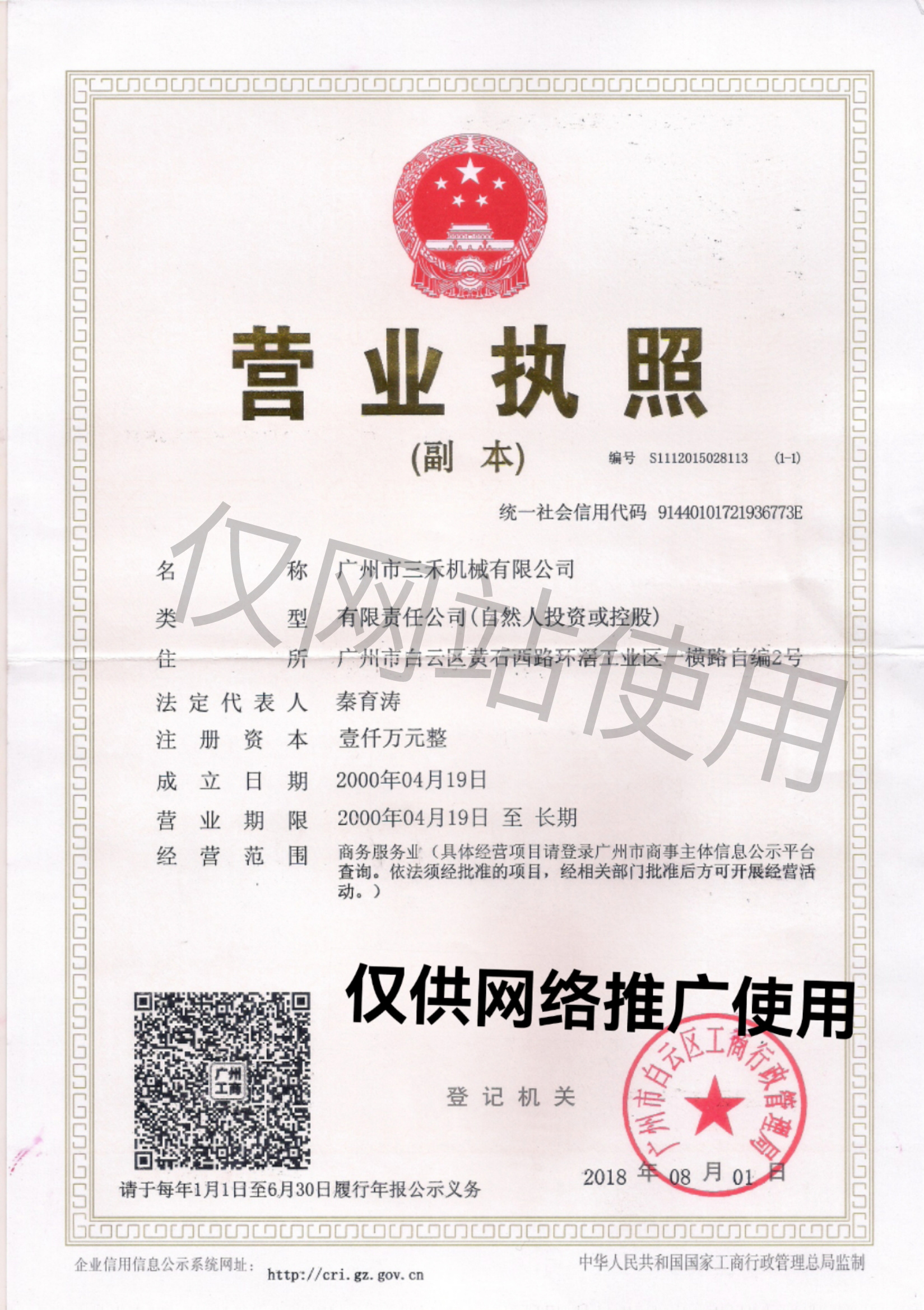


Sushi Food Delivery Trains vs. Traditional Delivery Methods: A Comprehensive Comparison
Release Time:2026-03-04
Sushi Food Delivery Trains vs. Traditional Delivery Methods: A Comprehensive Comparison
Table of Contents
- Introduction to Sushi Delivery Methods
- Traditional Sushi Delivery Methods
- The Rise of Sushi Food Delivery Trains
- Comparing Delivery Methods
- Sustainability Considerations
- Future Trends in Sushi Delivery
- Conclusion
- Frequently Asked Questions
Introduction to Sushi Delivery Methods
As the popularity of sushi continues to rise globally, the methods of delivering this beloved cuisine have evolved significantly. Historically, sushi has been delivered using traditional methods that often involve human interaction. However, the advent of modern technology has introduced innovative solutions, such as sushi food delivery trains, which offer a unique dining experience. In this article, we delve into a detailed comparison of sushi food delivery trains and traditional delivery methods, exploring their benefits and drawbacks to help consumers make informed choices.
Traditional Sushi Delivery Methods
A Brief History of Traditional Sushi Delivery
Traditional sushi delivery methods have deep roots in Japanese culture. Initially, sushi was prepared and consumed as a street food, with vendors offering freshly made pieces to customers on the go. As sushi gained popularity, various methods of delivery emerged, including takeaway services and home delivery via local restaurants.
The human touch in traditional sushi delivery often creates a more personal experience. Sushi chefs would prepare and present dishes with meticulous care, ensuring quality and authenticity. Over time, as demand increased, restaurants began to implement more structured delivery systems, relying on delivery personnel to transport sushi to customers' homes.
Pros and Cons of Traditional Delivery
**Pros:**
1. **Personal Interaction:** Traditional delivery methods often include direct communication with delivery personnel, allowing customers to express preferences or ask questions.
2. **Quality Assurance:** With skilled sushi chefs personally preparing the food, customers can expect a high level of quality control.
3. **Cultural Experience:** Traditional delivery provides an authentic experience that reflects Japanese culture and craftsmanship.
**Cons:**
1. **Variable Delivery Times:** Traffic and distance can lead to inconsistent delivery times, affecting the overall dining experience.
2. **Limited Availability:** Not all restaurants offer delivery, restricting options for sushi lovers.
3. **Higher Costs:** Traditional delivery methods can sometimes incur higher service fees due to labor and transportation costs.
The Rise of Sushi Food Delivery Trains
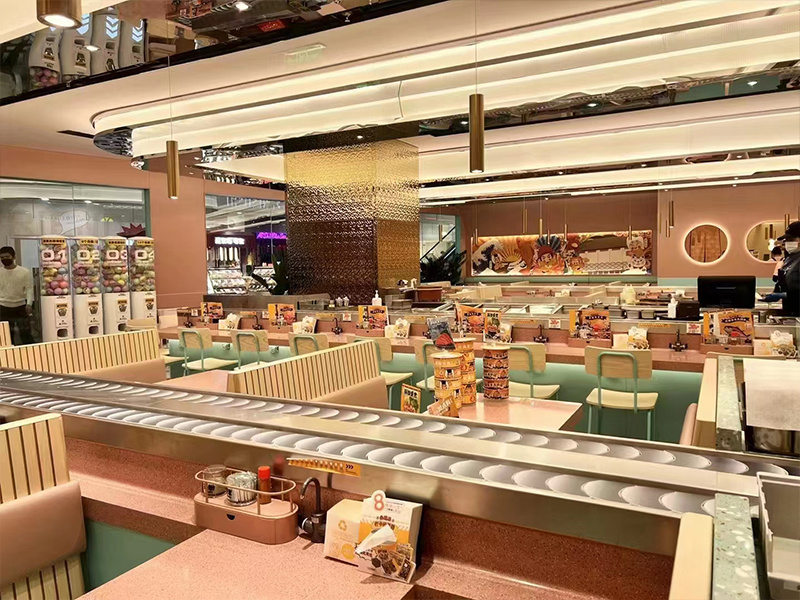
In contrast to traditional methods, sushi food delivery trains have emerged as a novel way to enjoy sushi dining. These automated systems are designed to streamline the delivery of sushi from the kitchen to the customer, enhancing convenience and experience.
Technology Behind Delivery Trains
Sushi delivery trains utilize advanced technology to transport dishes along a track system, often installed throughout the dining area of restaurants. These systems can be equipped with various features such as:
- **Automated Routing:** Delivery trains navigate predetermined paths, ensuring efficient service.
- **Temperature Control:** Many systems are designed to maintain the ideal temperature of sushi, preserving freshness.
- **Customizable Orders:** Customers can select dishes from a rotating conveyor belt, allowing for a diverse dining experience.
Pros and Cons of Sushi Delivery Trains
**Pros:**
1. **Improved Speed:** Delivery trains can significantly reduce delivery time, ensuring that sushi is served fresh and quickly.
2. **Unique Experience:** The visual appeal of watching sushi glide along the tracks creates a memorable dining experience.
3. **Diverse Selection:** Customers can sample various sushi options without waiting for individual orders.
**Cons:**
1. **Limited Personal Interaction:** The automation of delivery may reduce the personal touch of traditional service.
2. **Potential Quality Issues:** Depending on the system, there may be concerns about maintaining the quality of sushi over time.
3. **Initial Setup Costs:** The installation and maintenance of delivery train systems can be expensive for restaurants.
Comparing Delivery Methods
When evaluating sushi food delivery trains and traditional delivery methods, it is essential to consider key factors that impact customer satisfaction.
Customer Experience
The overall customer experience can vary significantly between the two methods. Traditional delivery allows for more interaction with staff, providing an opportunity for personalized service. In contrast, sushi delivery trains offer a unique visual experience, allowing customers to choose their dishes as they pass by.
**Ultimately, the choice depends on personal preferences:** some diners may prefer the warmth of traditional service, while others may enjoy the novelty of sushi trains.
Speed and Efficiency
Sushi delivery trains excel in speed and efficiency. The automated systems can quickly transport food directly to customers' tables, reducing wait times. Traditional delivery, while being personal, often suffers from delays due to traffic and the inherent variability of human delivery.
**For diners seeking a quick meal, sushi delivery trains are likely the more efficient choice.** However, for those who value the experience over speed, traditional delivery remains a strong contender.
Food Quality
Food quality is paramount when it comes to sushi. Traditional delivery methods often rely on skilled chefs who prepare dishes on-site, ensuring freshness. Sushi delivery trains may face challenges regarding food temperature and presentation, especially if the dishes are not consumed promptly.
**In this context, customers must weigh the importance of speed against quality.** While sushi trains may offer a quick meal, traditional methods often guarantee a more refined product.
Sustainability Considerations
As the world becomes more environmentally conscious, sustainability in food delivery is an important consideration. Traditional delivery methods may utilize single-use packaging and involve transportation emissions. Sushi delivery trains, while reducing human labor, may still contribute to energy consumption through their mechanical operations.
**Restaurants adopting sustainable practices, such as biodegradable packaging and energy-efficient delivery systems, can enhance their offerings.** Consumers increasingly seek eco-friendly options, and businesses that prioritize sustainability can gain a competitive edge.
Future Trends in Sushi Delivery
As technology continues to advance, the sushi delivery landscape is likely to evolve. Innovations such as drone delivery and enhanced tracking systems may revolutionize how sushi is delivered.
Additionally, hybrid models combining elements of both traditional and automated methods could emerge. **We anticipate a growing trend towards more personalized, convenient, and eco-friendly sushi delivery options in the coming years.**
Conclusion
In summary, the comparison between sushi food delivery trains and traditional delivery methods reveals distinct advantages and challenges for each approach. Traditional delivery offers a personal touch and quality assurance, while sushi delivery trains provide speed and novelty. Ultimately, the choice will depend on individual preferences regarding experience, efficiency, and food quality. As consumers continue to seek innovative dining options, the sushi delivery landscape will undoubtedly evolve, blending tradition with technology to enhance the sushi experience.
Frequently Asked Questions
1. **What are sushi food delivery trains?**
Sushi food delivery trains are automated systems that transport sushi dishes along a track, allowing customers to select their meals directly from the train.
2. **Are sushi delivery trains faster than traditional delivery methods?**
Yes, sushi delivery trains typically reduce wait times, allowing for quicker service compared to traditional delivery.
3. **How does food quality compare between these methods?**
Traditional delivery often guarantees higher food quality due to skilled chefs preparing meals on-site, while sushi trains may face challenges in maintaining optimal freshness.
4. **What are the environmental impacts of each delivery method?**
Both methods have environmental implications, but sushi delivery trains may reduce emissions associated with human delivery while still consuming energy.
5. **Will sushi delivery trains become more popular in the future?**
As technology advances and consumer preferences shift, sushi delivery trains are likely to become more popular, especially in urban areas where efficiency is valued.
By understanding the nuances of sushi food delivery trains and traditional methods, consumers can choose the experience that best suits their needs and preferences.
Keywords:Sushi Food Delivery Trains
CATEGORY
Related News
2024-02-03

Related



Founded in 1993, we adhere to the corporate mission of "continuous innovation to achieve customer success" and implement the corporate values of "quality with respect and service with gratitude".
CONTACT US
Add: No.2,Yiheng Rd.,Hengjiao ind. zone, Baiyun distr. Guangzhou China.
WeChat/Tel: +86 13302266689 / 86 13926470046
Tel: +86 20 26272813 / +1 5166663709

WeChat ID.