

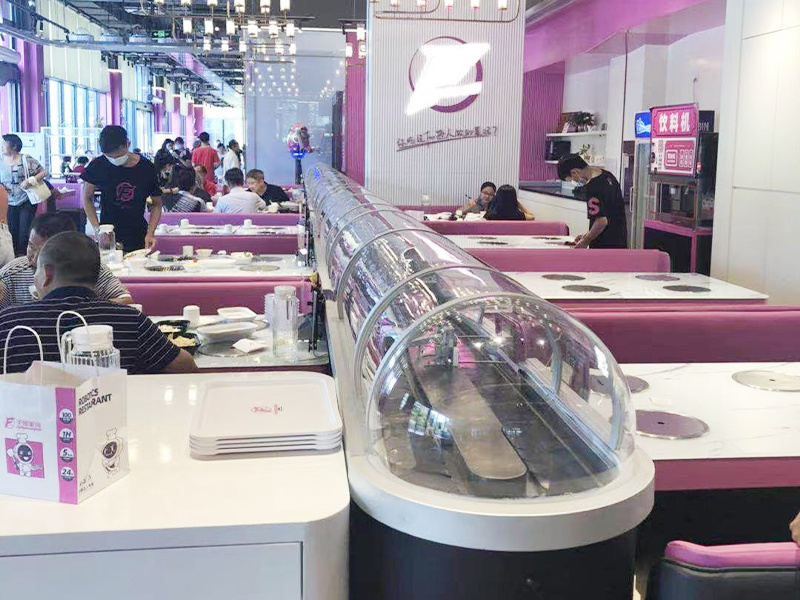
Cost-Effective Solutions: The Advantages of Intelligent Conveyor Systems
Release Time:2026-03-18
Cost-Effective Solutions: The Advantages of Intelligent Conveyor Systems
Table of Contents
- 1. Introduction to Intelligent Conveyor Systems
- 2. What Are Intelligent Conveyor Systems?
- 3. Benefits of Intelligent Conveyor Systems
- 4. Applications in Food Storage and Transportation
- 5. How Intelligent Conveyor Systems Work
- 6. Choosing the Right Intelligent Conveyor System
- 7. Future Trends in Intelligent Conveyor Systems
- 8. Frequently Asked Questions
- 9. Conclusion
1. Introduction to Intelligent Conveyor Systems
In today's fast-paced industrial environment, **efficiency** and **cost-effectiveness** are paramount. Companies are continuously seeking innovative technologies to enhance their operations and provide better services. One such advancement is the emergence of **intelligent conveyor systems**. These systems not only streamline the movement of products but also offer significant advantages, particularly in sectors like food storage and transportation.
2. What Are Intelligent Conveyor Systems?
Intelligent conveyor systems are advanced material handling solutions that utilize automation, control systems, and integrated software to optimize the transport of goods. Unlike traditional conveyor systems, these intelligent variants leverage **real-time data analysis**, **machine learning**, and **IoT (Internet of Things)** technologies to adapt to varying operational conditions. This adaptability allows for improved workflow management and efficiency.
3. Benefits of Intelligent Conveyor Systems
3.1 Cost Efficiency
One of the most compelling reasons to invest in intelligent conveyor systems is **cost efficiency**. These systems can significantly reduce operational costs through the following means:
- **Minimized Labor Costs**: Automation reduces the need for manual labor, allowing companies to allocate resources more strategically.
- **Reduced Downtime**: Intelligent systems frequently self-diagnose and predict maintenance needs, leading to less unexpected downtime.
- **Energy Efficiency**: Many intelligent conveyor systems are designed to consume less energy than traditional options, leading to savings on utility bills.
3.2 Improved Productivity
Intelligent conveyor systems significantly enhance productivity by:
- **Increasing Throughput**: These systems can transport goods at faster rates, increasing overall throughput without compromising quality.
- **Streamlining Operations**: By integrating with other systems (like warehouse management systems), intelligent conveyor systems provide seamless operations, reducing bottlenecks.
- **Real-Time Monitoring**: Operators can monitor performance and make adjustments in real-time, ensuring that any potential issues are addressed promptly.
3.3 Enhanced Safety
Safety is a critical component of any industrial operation. Intelligent conveyor systems help enhance safety through:
- **Automated Alerts**: Smart systems can notify operators of potential hazards or malfunctions, enabling swift action to mitigate risks.
- **Fewer Human Errors**: Automation minimizes human involvement in critical operations, reducing the likelihood of accidents.
- **Ergonomic Designs**: Many intelligent systems are designed with ergonomics in mind, reducing the risk of strain or injury for workers.
3.4 Flexibility and Scalability
The ability to adapt to changing demands is crucial in today’s business landscape. Intelligent conveyor systems offer:
- **Customizable Configurations**: Businesses can tailor conveyor systems to meet specific needs, enhancing versatility.
- **Scalability**: As companies grow, intelligent conveyor systems can easily be expanded or modified to accommodate increased production demands.
4. Applications in Food Storage and Transportation
The food storage and transportation industry is particularly benefitted by intelligent conveyor systems. These applications include:
- **Efficient Sorting and Packaging**: Intelligent systems can quickly sort products based on various criteria, ensuring efficient packaging and distribution.
- **Temperature Control**: Some advanced conveyor systems are equipped with temperature control features for sensitive food products.
- **Traceability**: Intelligent conveyor systems can track the movement of food items through the supply chain, enhancing transparency and compliance with safety regulations.
5. How Intelligent Conveyor Systems Work
Understanding how these systems function is crucial to maximizing their benefits. Intelligent conveyor systems incorporate several key components:
- **Sensors**: These devices collect data on various parameters, including speed, load, and flow rates.
- **Controllers**: Advanced control systems process the data collected by sensors to make real-time decisions.
- **Software**: Integrated software applications provide insights and analytics to operators, enabling them to optimize performance.
The combination of these components allows for the seamless operation of intelligent conveyor systems, resulting in enhanced efficiency and productivity.
6. Choosing the Right Intelligent Conveyor System
When selecting an intelligent conveyor system, consider the following factors:
- **Specific Needs**: Assess your operational requirements, including product types and volume.
- **Integration**: Ensure that the system can be integrated with existing equipment and software.
- **Vendor Support**: Opt for suppliers that offer comprehensive support and maintenance services.
Conducting thorough research and consultations can lead to informed decisions that align with your operational goals.
7. Future Trends in Intelligent Conveyor Systems
The future of intelligent conveyor systems looks promising, with several trends emerging:
- **Increased Automation**: As technology advances, more processes will become automated, leading to greater efficiency.
- **AI Integration**: Artificial intelligence will play a larger role in predictive maintenance and operational decision-making.
- **Sustainability**: There will be a growing focus on environmentally friendly practices, including energy-efficient systems and materials.
Staying abreast of these trends will enable businesses to remain competitive in the ever-evolving industrial landscape.
8. Frequently Asked Questions
1. What are the key advantages of intelligent conveyor systems?
The key advantages include cost efficiency, improved productivity, enhanced safety, and flexibility to adapt to various operational needs.
2. Are intelligent conveyor systems suitable for all types of industries?
While they are particularly beneficial for manufacturing and food industries, their versatility allows them to be adapted for various sectors.
3. How do intelligent conveyor systems reduce labor costs?
By automating repetitive tasks, these systems minimize the need for manual labor, allowing companies to redeploy staff to more strategic roles.
4. What is the lifespan of an intelligent conveyor system?
With proper maintenance, intelligent conveyor systems can have a lifespan of 10-20 years, depending on usage and technology advancements.
5. How can I ensure I choose the right intelligent conveyor system for my needs?
Conduct a thorough assessment of your operational requirements, budget, and compatibility with existing systems before making a selection.
9. Conclusion
Intelligent conveyor systems represent a significant advancement in industrial logistics, particularly for food storage and transportation. Their benefits, ranging from cost efficiency to enhanced safety and flexibility, make them an attractive investment for businesses aiming to improve their operations. As technology continues to evolve, the role of intelligent conveyor systems will only become more critical, enabling companies to thrive in an increasingly competitive marketplace. By understanding and leveraging these systems, businesses can ensure they remain at the forefront of innovation and efficiency.
Keywords:Intelligent Conveyor System
CATEGORY
Related News

2024-02-03

Related



Founded in 1993, we adhere to the corporate mission of "continuous innovation to achieve customer success" and implement the corporate values of "quality with respect and service with gratitude".
CONTACT US
Add: No.2,Yiheng Rd.,Hengjiao ind. zone, Baiyun distr. Guangzhou China.
WeChat/Tel: +86 13302266689 / 86 13926470046
Tel: +86 20 26272813 / +1 5166663709

WeChat ID.