

Streamlining Operations with Sushi Food Delivery Trains in Your Business
Release Time:2026-04-15
Streamlining Operations with Sushi Food Delivery Trains in Your Business
Table of Contents
- Introduction to Sushi Food Delivery Trains
- The Importance of Efficient Delivery Systems
- What Are Sushi Food Delivery Trains?
- Benefits of Implementing Sushi Food Delivery Trains
- How Sushi Food Delivery Trains Work
- Integrating Sushi Delivery Trains into Your Business
- Case Studies: Successful Implementation Examples
- Challenges and Solutions in Using Sushi Delivery Trains
- The Future of Sushi Food Delivery Trains
- Conclusion
- Frequently Asked Questions
Introduction to Sushi Food Delivery Trains
In the rapidly evolving world of food service, **efficiency** and **customer satisfaction** are paramount. One innovative solution that has emerged in recent years is the sushi food delivery train. This unique system not only enhances the dining experience but also helps streamline operations within the restaurant. In this article, we will delve into how sushi food delivery trains can revolutionize your business, improve operational efficiency, and ultimately increase customer satisfaction.
The Importance of Efficient Delivery Systems
In any food service operation, the speed and efficiency of delivery play a crucial role in customer satisfaction. Long wait times can lead to frustration, while quick service can enhance the overall dining experience. By implementing an effective delivery system like sushi food delivery trains, businesses can significantly improve their operational flow, leading to increased revenue and loyal customers.
What Are Sushi Food Delivery Trains?
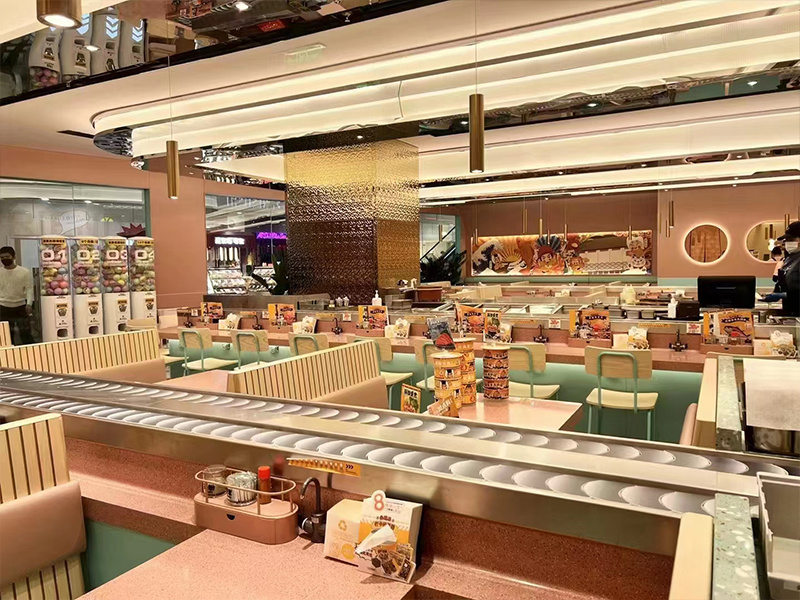
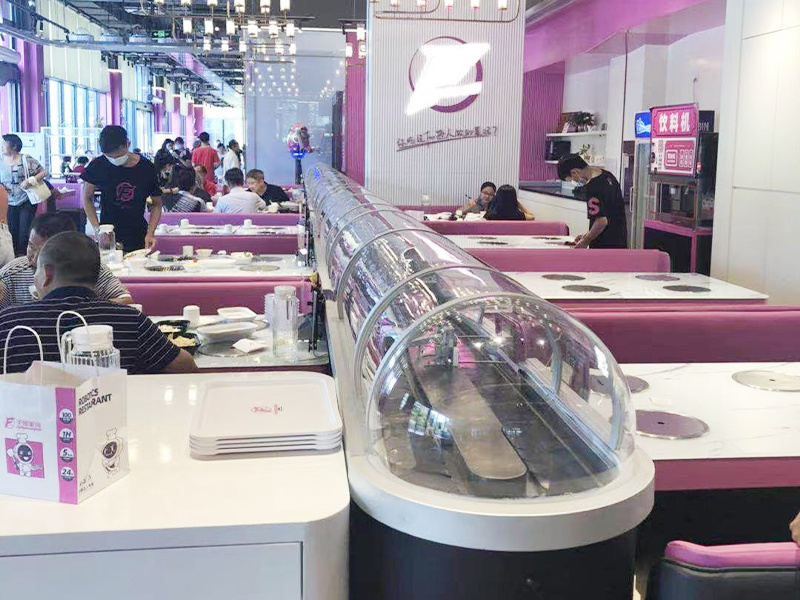
Sushi food delivery trains are a modern method of serving sushi and other dishes that utilizes a **conveyor belt system** to transport food directly to customers. These trains allow diners to choose from a variety of dishes as they are presented on the belt, creating a dynamic and engaging dining experience.
The design of sushi delivery trains allows for easy customization and variation, catering to diverse customer preferences while maintaining efficiency in service.
Benefits of Implementing Sushi Food Delivery Trains
The adoption of sushi food delivery trains offers numerous advantages to food service businesses:
1. Enhanced Customer Experience
The interactive nature of sushi delivery trains allows customers to engage with their food in a novel way. The vibrant presentation and variety of options available create excitement and anticipation.
2. Reduced Labor Costs
By automating the delivery process through a conveyor system, restaurants can reduce the need for extensive waitstaff. This not only lowers labor costs but also allows employees to focus on other essential tasks, improving overall service efficiency.
3. Increased Table Turnover
With faster delivery times, restaurants can accommodate more customers during peak hours, thereby increasing revenue. Sushi delivery trains help maintain a steady flow of food, ensuring that diners are served promptly.
4. Waste Reduction
Sushi delivery trains can be designed to minimize food waste by allowing customers to take only what they want. This reduces the amount of uneaten food that needs to be discarded, promoting sustainability within the business.
How Sushi Food Delivery Trains Work
The mechanics of sushi food delivery trains are relatively simple. Dishes are prepared in the kitchen and placed on the conveyor belt, which transports them around the restaurant. Diners can then select items as they pass by, creating a self-service experience.
1. Preparation and Loading
Food is meticulously prepared and organized before being placed on the train. This ensures that dishes are fresh and appealing to customers.
2. Continuous Movement
The conveyor belt continuously moves, allowing for a constant flow of food. This is crucial during busy hours when demand is high.
3. Customer Interaction
Customers can easily grab their desired dishes as they see them coming, making the dining experience interactive and enjoyable. Visual appeal plays a key role in this process, as vibrant dishes attract attention.
4. Easy Cleanup
After customers have finished dining, the empty dishes can easily be removed from the conveyor belt, allowing for efficient cleanup and preparation for the next patrons.
Integrating Sushi Delivery Trains into Your Business
Successfully incorporating sushi food delivery trains into your restaurant requires careful planning and execution. Here are some essential steps to consider:
1. Assess Your Space
Before implementing a sushi train, evaluate whether your restaurant's layout can accommodate this system. The design should facilitate an efficient flow of customers and staff.
2. Choose the Right Equipment
Invest in high-quality conveyor belts that can seamlessly integrate into your existing operations. Reliable equipment is vital for maintaining consistent service.
3. Train Your Staff
It's important to provide thorough training to your staff on how to operate and maintain the sushi delivery trains. This will ensure a smooth transition and help prevent operational issues.
4. Marketing and Promotion
Once the system is in place, utilize marketing strategies to promote your new offering. Highlight the unique dining experience and the variety of options available to attract customers.
Case Studies: Successful Implementation Examples
Examining successful case studies can provide valuable insights into the effectiveness of sushi food delivery trains.
1. Restaurant A: Increased Revenue and Customer Satisfaction
A small sushi restaurant implemented a sushi train and saw a **25% increase in revenue** within the first quarter. Customer feedback highlighted the engaging experience and the freshness of the food.
2. Restaurant B: Reduced Waste and Labor Costs
Another establishment reported a **30% reduction in food waste** after integrating sushi delivery trains. The automation of delivery allowed staff to focus on food preparation and customer interaction.
Challenges and Solutions in Using Sushi Delivery Trains
While sushi food delivery trains offer numerous benefits, there are challenges to consider.
1. Maintenance and Upkeep
Regular maintenance is crucial to ensure that the conveyor systems function properly. Schedule routine checks to prevent breakdowns and maintain a smooth operation.
2. Initial Investment
The initial costs of purchasing and installing sushi delivery trains may be high. However, weigh these costs against the potential increase in revenue and customer satisfaction over time.
3. Menu Adaptation
Not all dishes are suitable for delivery via a sushi train. Adapt your menu to include items that are visually appealing and can be served at room temperature without compromising quality.
The Future of Sushi Food Delivery Trains
As the food service industry continues to evolve, the sushi food delivery train concept is likely to expand. Innovations in technology may lead to enhanced designs, smarter automation, and integration with online ordering systems, making sushi trains an even more appealing choice for restaurants.
Conclusion
Incorporating sushi food delivery trains into your business can significantly streamline operations, enhance customer experiences, and boost profitability. By carefully planning the integration process and addressing potential challenges, you can create a unique dining experience that keeps customers coming back for more. The future of food service is bright, and sushi delivery trains are at the forefront of this exciting evolution.
Frequently Asked Questions
1. What types of restaurants can benefit from sushi food delivery trains?
Sushi delivery trains are particularly beneficial for sushi restaurants, but other establishments that offer shareable dishes or small plates can also implement this system.
2. How much does it cost to implement a sushi food delivery train?
The costs vary depending on the size and complexity of the system, but businesses should consider it as a long-term investment for increased efficiency and customer satisfaction.
3. How can I maintain the quality of food on a sushi delivery train?
Select dishes that are visually appealing and can be served at room temperature. Regularly monitor the food and replace items as needed to ensure freshness.
4. Can sushi food delivery trains be customized?
Absolutely! Many systems offer customization options for size, color, and branding to fit the theme of your restaurant.
5. What are the best practices for marketing sushi delivery trains?
Utilize social media, create engaging content showcasing the sushi train experience, and offer promotions to attract new customers. Highlight the unique aspects of this service to pique interest.
Keywords:Sushi Food Delivery Trains
CATEGORY
Related News
2024-02-03

Related



Founded in 1993, we adhere to the corporate mission of "continuous innovation to achieve customer success" and implement the corporate values of "quality with respect and service with gratitude".
CONTACT US
Add: No.2,Yiheng Rd.,Hengjiao ind. zone, Baiyun distr. Guangzhou China.
WeChat/Tel: +86 13302266689 / 86 13926470046
Tel: +86 20 26272813 / +1 5166663709

WeChat ID.