

The Role of Sushi Food Delivery Trains in Ensuring Food Safety and Quality
Release Time:2026-07-08
The Role of Sushi Food Delivery Trains in Ensuring Food Safety and Quality
Table of Contents
- Introduction to Sushi Food Delivery Systems
- A Brief History of Sushi Delivery Technology
- How Sushi Food Delivery Trains Work
- Food Safety Standards in Sushi Delivery
- Ensuring Quality in Sushi Delivery
- Benefits of Sushi Food Delivery Trains
- Challenges in Implementing Delivery Systems
- The Future of Sushi Delivery Technology
- Conclusion
- Frequently Asked Questions
Introduction to Sushi Food Delivery Systems
In today's fast-paced dining environment, **sushi food delivery trains** have emerged as a revolutionary solution to enhance customer experience and uphold food safety standards. These innovative systems offer a unique way to serve sushi, allowing diners to enjoy fresh, high-quality meals while minimizing the risk of contamination and spoilage. In this article, we will delve deep into how sushi food delivery trains function, their benefits, and their significant impact on food safety and quality in the sushi industry.
A Brief History of Sushi Delivery Technology
The concept of delivering food in a streamlined manner dates back centuries, but the evolution of sushi delivery trains is a more recent phenomenon. Originating in Japan, sushi restaurants began utilizing conveyor belt systems in the 1950s to serve customers efficiently. These systems allowed patrons to select their desired meals from a moving platform, enhancing the dining experience.
As technology advanced, so did the design and functionality of sushi delivery systems. The introduction of **food safety regulations** and the demand for high-quality dining experiences pushed restaurants to adopt more sophisticated delivery mechanisms, paving the way for modern sushi food delivery trains.
How Sushi Food Delivery Trains Work
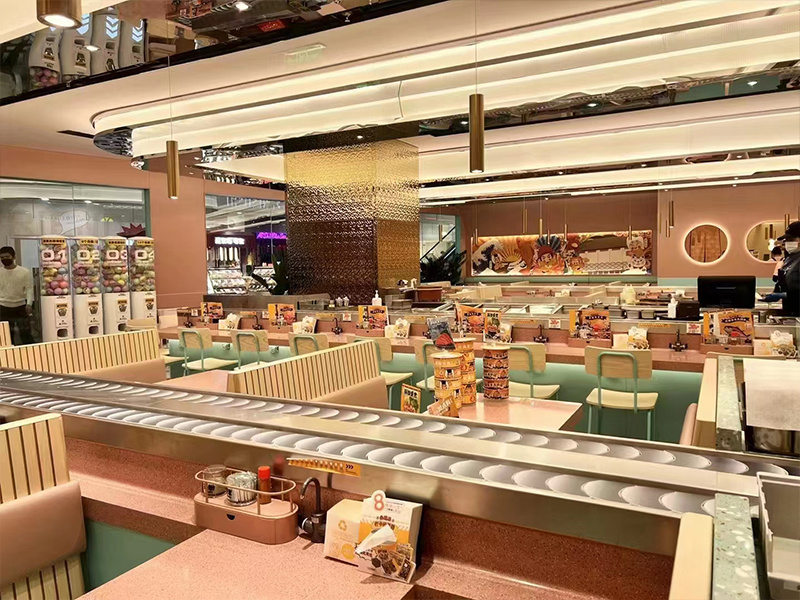
Sushi food delivery trains are intricately designed to ensure that meals are delivered in optimal conditions. These systems typically consist of a network of tracks and trains that transport sushi platters from the kitchen to the dining area.
Temperature Control Mechanisms
One of the critical components of sushi delivery trains is their ability to maintain **temperature control**. Sushi is sensitive to temperature fluctuations; therefore, these systems usually incorporate insulated compartments to keep sushi at safe serving temperatures. This prevents bacterial growth and ensures the freshness of ingredients.
Hygienic Design Features
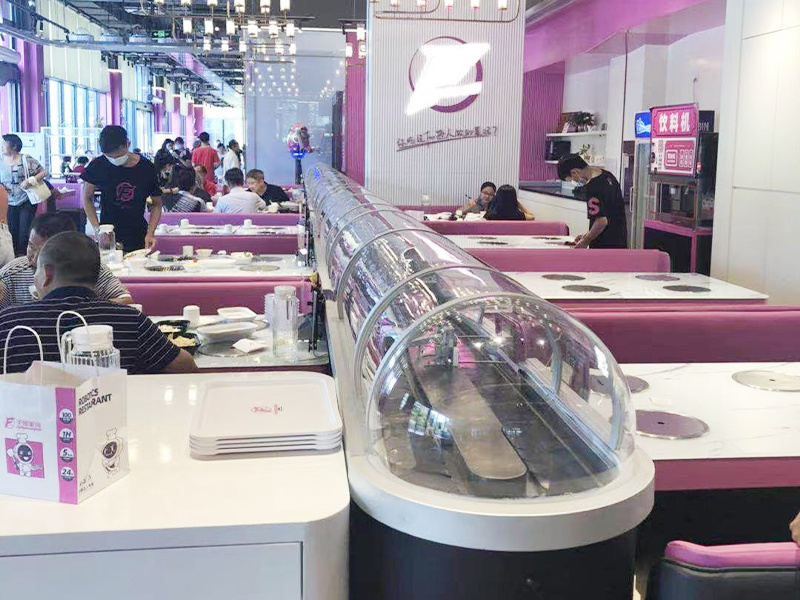
The design of sushi food delivery trains emphasizes hygiene. Materials used in the construction of the trains are often non-porous and easy to clean, reducing the risk of contamination. Additionally, many systems include covered compartments that protect sushi from airborne contaminants, ensuring that customers receive only the highest quality products.
Food Safety Standards in Sushi Delivery
Food safety is paramount in the sushi industry, given the perishable nature of raw ingredients. Sushi food delivery trains must adhere to strict guidelines to ensure safety and quality.
Regulatory Compliance
Restaurants utilizing sushi delivery trains must comply with local health regulations. These regulations often mandate regular inspections and adherence to safety protocols, including proper handling, packaging, and storage of sushi. Failure to comply can result in penalties or even the closure of establishments.
Best Practices for Staff Training
Training staff members on food safety practices is essential. Employees must understand the importance of maintaining proper hygiene standards, from washing hands before handling food to regularly sanitizing the delivery systems. Regular training sessions help reinforce these practices, ensuring that food safety remains a priority.
Ensuring Quality in Sushi Delivery
Quality control is crucial in the sushi industry, where freshness is key to customer satisfaction. Sushi food delivery trains play an integral role in maintaining high standards of quality.
Ingredient Sourcing
Quality begins with sourcing the best ingredients. Sushi restaurants often establish relationships with trusted suppliers to ensure that they receive fresh fish and other components. Using high-quality ingredients leads to superior sushi, enhancing customer satisfaction.
Inspection Procedures
Regular inspections of sushi food delivery trains help maintain product quality. Restaurants often have protocols in place to check the freshness of ingredients before they are placed on the delivery system. Additionally, routine maintenance of the delivery trains themselves ensures that they function correctly, preventing potential quality issues.
Benefits of Sushi Food Delivery Trains
Implementing sushi food delivery trains comes with a myriad of advantages that extend beyond just food delivery.
Enhanced Customer Experience
The novelty of sushi food delivery trains captivates diners. The experience of selecting sushi from a moving conveyor adds an element of excitement, making meals more enjoyable. Customers appreciate the visual appeal of watching their food travel to them, which enhances their overall dining experience.
Operational Efficiency
Sushi food delivery trains streamline restaurant operations. By automating the delivery process, staff can focus on other essential tasks, such as food preparation and customer service. This efficiency can lead to increased productivity and reduced wait times for diners.
Waste Reduction
With precise control over the amount of sushi prepared and delivered, restaurants can minimize food waste. Sushi food delivery trains allow for better inventory management, ensuring that only the necessary quantities of sushi are prepared, which ultimately contributes to sustainability efforts.
Challenges in Implementing Delivery Systems
Despite their numerous advantages, sushi food delivery trains are not without challenges.
Initial Investment Costs
The initial setup costs for sushi food delivery systems can be significant. Restaurants must invest in the technology, including the delivery trains, installation, and any necessary modifications to their dining space. This can be a barrier for smaller establishments.
Maintenance and Operating Costs
Once installed, sushi food delivery trains require ongoing maintenance to ensure they function efficiently. Restaurants must factor in the costs associated with repairs and regular upkeep, which can strain budgets if not managed properly.
The Future of Sushi Delivery Technology
As technology continues to evolve, the sushi food delivery industry will likely see advancements that further enhance food safety and quality. Innovations such as automated tracking systems and enhanced temperature control technologies could emerge, providing even more reliability in sushi delivery.
Integration of Smart Technology
Smart technology is poised to revolutionize sushi delivery systems. Integrating sensors that monitor temperature and freshness in real-time could ensure that sushi is always served at its peak quality. Additionally, advancements in AI may help optimize inventory management and enhance customer interactions.
Sustainable Practices
The future of sushi food delivery will also involve a focus on sustainability. Restaurants may adopt eco-friendly materials for their delivery systems and implement practices that reduce their carbon footprint. This commitment to sustainability will resonate with environmentally conscious consumers.
Conclusion
In conclusion, sushi food delivery trains represent a significant advancement in the sushi industry, enhancing food safety and quality while providing a unique dining experience. By maintaining strict hygiene standards, ensuring temperature control, and focusing on quality ingredients, these systems have transformed how sushi is served. As the industry embraces technological advancements and sustainability practices, the role of sushi food delivery trains will only become more crucial in delivering fresh, high-quality meals to customers.
Frequently Asked Questions
1. What are sushi food delivery trains?
Sushi food delivery trains are automated systems that transport sushi platters from the kitchen to diners, ensuring freshness and quality while enhancing the dining experience.
2. How do sushi delivery trains maintain food safety?
These systems maintain food safety through temperature control mechanisms, hygienic design features, and adherence to strict food safety regulations.
3. What are the benefits of using sushi food delivery trains?
Benefits include enhanced customer experience, operational efficiency, and reduced food waste, all of which contribute to a successful sushi dining experience.
4. What challenges do restaurants face when implementing sushi delivery systems?
Challenges include initial investment costs, ongoing maintenance expenses, and the need for staff training on food safety practices.
5. How will sushi delivery technology evolve in the future?
The future may see advancements in smart technology integration, improvements in temperature control, and a stronger focus on sustainable practices within the sushi delivery industry.
Keywords:Sushi Food Delivery Trains
CATEGORY
Related News
2024-02-03

Related



Founded in 1993, we adhere to the corporate mission of "continuous innovation to achieve customer success" and implement the corporate values of "quality with respect and service with gratitude".
CONTACT US
Add: No.2,Yiheng Rd.,Hengjiao ind. zone, Baiyun distr. Guangzhou China.
WeChat/Tel: +86 13302266689 / 86 13926470046
Tel: +86 20 26272813 / +1 5166663709

WeChat ID.