

Intelligent Conveyor Systems: The Key to Efficient Food Processing
Release Time:2026-07-22
Intelligent Conveyor Systems: The Key to Efficient Food Processing
Table of Contents
1. Introduction to Intelligent Conveyor Systems
2. Importance of Efficiency in Food Processing
3. Features of Intelligent Conveyor Systems
3.1 Smart Sensors and Automation
3.2 Real-Time Data Monitoring
3.3 Integration with Other Systems
4. Benefits of Implementing Intelligent Conveyor Systems
4.1 Enhanced Productivity
4.2 Improved Food Safety Standards
4.3 Cost Reduction and Resource Optimization
5. Applications of Intelligent Conveyor Systems in Food Processing
5.1 Case Studies in Meat Processing
5.2 Applications in Bakery Production
5.3 Use in Dairy Manufacturing
6. Future Trends in Conveyor Technology
7. FAQs about Intelligent Conveyor Systems
8. Conclusion
1. Introduction to Intelligent Conveyor Systems
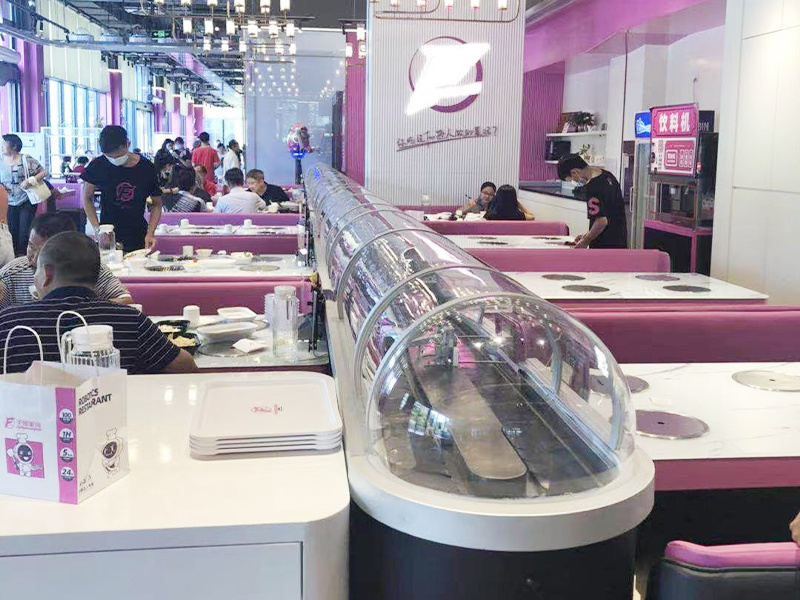
In the rapidly advancing world of food processing, has emerged as a pivotal force for enhancing operational efficiency and productivity. These systems, powered by advanced technology, facilitate the smooth transportation of goods within production and packaging facilities. The integration of **smart technology** into conveyor systems has transformed traditional operations into streamlined processes, optimizing every phase of food production.
2. Importance of Efficiency in Food Processing
Efficiency in food processing is more than just a buzzword; it is essential for meeting consumer demand while ensuring quality and safety. With increasing competition and the need for faster delivery times, food manufacturers must adopt **innovative solutions** to stay ahead. Intelligent conveyor systems are designed to minimize downtime, reduce manual handling, and enhance overall workflow.
3. Features of Intelligent Conveyor Systems
The features of intelligent conveyor systems are what set them apart from traditional models. By incorporating advanced technologies, these systems address common challenges faced in the food processing sector.
3.1 Smart Sensors and Automation
At the core of intelligent conveyor systems are **smart sensors** that monitor product flow and detect any anomalies in real time. This level of automation not only improves operational efficiency but also minimizes human error, which is critical in maintaining food safety protocols.
3.2 Real-Time Data Monitoring
Real-time data monitoring allows operators to track system performance and product conditions constantly. This capability leads to **data-driven decision-making**, enabling quick adjustments to production processes and better resource allocation.
3.3 Integration with Other Systems
Intelligent conveyor systems can seamlessly integrate with other essential systems such as inventory management and processing equipment. This integration facilitates a **holistic approach** to food production, enhancing communication between various parts of the production line.
4. Benefits of Implementing Intelligent Conveyor Systems
The benefits of adopting intelligent conveyor systems in food processing are numerous and impactful.
4.1 Enhanced Productivity
By automating the movement of goods, intelligent conveyor systems reduce the time taken for transferring products between different stages of production. This enhancement leads to increased productivity and allows manufacturers to meet growing consumer demands.
4.2 Improved Food Safety Standards
With built-in monitoring systems, these conveyors help maintain high food safety standards. They can be programmed to handle sensitive products with care, ensuring compliance with industry regulations and reducing contamination risks.
4.3 Cost Reduction and Resource Optimization
The efficiency gained from intelligent conveyor systems leads to significant cost savings. By optimizing resource usage and reducing waste, food manufacturers can improve their profit margins while maintaining high-quality standards.
5. Applications of Intelligent Conveyor Systems in Food Processing
Intelligent conveyor systems have found applications in various sectors of the food processing industry, each with unique requirements and challenges.
5.1 Case Studies in Meat Processing
In meat processing, intelligent conveyor systems enable the efficient handling of raw and processed products. With automated sorting and tracking features, these systems help maintain stringent hygiene protocols while optimizing workflow.
5.2 Applications in Bakery Production
In the bakery sector, intelligent conveyors facilitate the seamless movement of ingredients and finished products. They can be tailored to handle delicate items such as pastries, ensuring they remain intact during transportation.
5.3 Use in Dairy Manufacturing
Dairy manufacturers benefit from intelligent conveyor systems through enhanced cooling and handling processes. These systems help maintain product integrity while ensuring compliance with health standards.
6. Future Trends in Conveyor Technology
Looking ahead, the landscape of intelligent conveyor systems will continue to evolve. Emerging trends such as **artificial intelligence (AI)** and **machine learning** will further enhance system capabilities, allowing for predictive maintenance and adaptive learning. These advancements will enable food manufacturers to stay agile in an ever-changing market.
7. FAQs about Intelligent Conveyor Systems
**Q1: What are intelligent conveyor systems?**
A: Intelligent conveyor systems incorporate smart technology, sensors, and automation to enhance the efficiency and safety of material handling in food processing.
**Q2: How do intelligent conveyor systems improve food safety?**
A: These systems monitor product flow and conditions in real-time, helping maintain hygiene standards and reduce the risk of contamination.
**Q3: Can intelligent conveyor systems integrate with existing production lines?**
A: Yes, intelligent conveyor systems are designed for seamless integration, allowing them to work alongside existing equipment and systems.
**Q4: What industries benefit from intelligent conveyor systems?**
A: Primarily the food processing sector, but they are also applicable in other industries such as pharmaceuticals and manufacturing.
**Q5: What is the future of intelligent conveyor technology?**
A: The future will likely see increased use of AI and machine learning, leading to smarter, more adaptive conveyor systems capable of self-optimization.
8. Conclusion
In conclusion, intelligent conveyor systems stand as a cornerstone of operational efficiency in food processing. By embracing advanced technologies, these systems not only improve productivity and food safety but also pave the way for a more sustainable and profitable future. As the food industry continues to evolve, the adoption of intelligent conveyor systems will be crucial for manufacturers aiming to meet the challenges of tomorrow. Adopting these innovative solutions is not just a choice; it is a necessity for staying competitive in the modern marketplace.
Keywords:Intelligent Conveyor System
CATEGORY
Related News

2024-02-03

Related



Founded in 1993, we adhere to the corporate mission of "continuous innovation to achieve customer success" and implement the corporate values of "quality with respect and service with gratitude".
CONTACT US
Add: No.2,Yiheng Rd.,Hengjiao ind. zone, Baiyun distr. Guangzhou China.
WeChat/Tel: +86 13302266689 / 86 13926470046
Tel: +86 20 26272813 / +1 5166663709

WeChat ID.