


Enhancing Efficiency in Food Handling with Intelligent Conveyor Systems
Release Time:2025-07-18
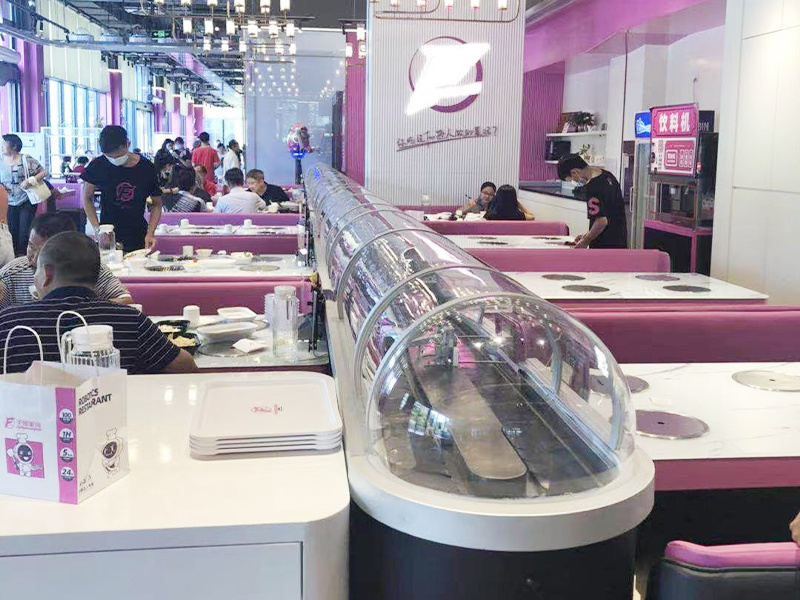
In the rapidly evolving landscape of industrial equipment and components, the application of intelligent conveyor systems has emerged as a game changer, particularly in the food handling sector. These systems integrate advanced technologies, such as IoT (Internet of Things), artificial intelligence (AI), and machine learning, to streamline the movement of goods, enhance operational efficiency, and facilitate better inventory management.
One of the primary advantages of intelligent conveyor systems is their ability to adapt to varying operational demands. With the integration of sensors and automated controls, these systems can monitor product flow in real-time, adjusting speeds and routes based on current conditions. This flexibility not only minimizes downtime but also ensures that food products are handled in the most efficient manner possible, reducing the risk of damage and contamination.
Moreover, intelligent conveyor systems are designed with advanced tracking capabilities. Using RFID (Radio Frequency Identification) and barcode scanning technology, these systems enable precise tracking of products throughout the storage and distribution process. This level of visibility is crucial in the food industry, where traceability is mandated for safety and compliance. By maintaining a detailed log of all items, companies can swiftly address any issues related to recalls or quality control.
Safety is another critical factor where intelligent conveyor systems shine. Equipped with smart sensors, these systems can detect obstacles and adjust operation accordingly to prevent accidents. Features such as automatic shutdowns and emergency stop buttons are also integrated to enhance worker safety, ensuring that the environment remains secure while operations continue smoothly.
The efficiency of intelligent conveyor systems extends to energy consumption as well. Many modern systems are designed with energy-saving modes and optimized power usage, contributing to lower operational costs and a smaller carbon footprint. This is particularly relevant in the food handling industry, where sustainability is becoming increasingly important.
Furthermore, the data collected from intelligent conveyor systems can be analyzed to provide valuable insights into operational performance. Companies can utilize this information to identify bottlenecks and inefficiencies, allowing for continuous improvement. Such data-driven decision-making not only enhances productivity but also contributes to better resource allocation.
In conclusion, the integration of intelligent conveyor systems into food handling operations is transforming the way businesses operate. By embracing these advanced technologies, companies can achieve greater efficiency, improve safety, and ensure the highest standards of quality. As the industry continues to evolve, investing in intelligent conveyor systems will undoubtedly be a key driver of success in the competitive landscape of food storage and transportation.
One of the primary advantages of intelligent conveyor systems is their ability to adapt to varying operational demands. With the integration of sensors and automated controls, these systems can monitor product flow in real-time, adjusting speeds and routes based on current conditions. This flexibility not only minimizes downtime but also ensures that food products are handled in the most efficient manner possible, reducing the risk of damage and contamination.
Moreover, intelligent conveyor systems are designed with advanced tracking capabilities. Using RFID (Radio Frequency Identification) and barcode scanning technology, these systems enable precise tracking of products throughout the storage and distribution process. This level of visibility is crucial in the food industry, where traceability is mandated for safety and compliance. By maintaining a detailed log of all items, companies can swiftly address any issues related to recalls or quality control.
Safety is another critical factor where intelligent conveyor systems shine. Equipped with smart sensors, these systems can detect obstacles and adjust operation accordingly to prevent accidents. Features such as automatic shutdowns and emergency stop buttons are also integrated to enhance worker safety, ensuring that the environment remains secure while operations continue smoothly.
The efficiency of intelligent conveyor systems extends to energy consumption as well. Many modern systems are designed with energy-saving modes and optimized power usage, contributing to lower operational costs and a smaller carbon footprint. This is particularly relevant in the food handling industry, where sustainability is becoming increasingly important.
Furthermore, the data collected from intelligent conveyor systems can be analyzed to provide valuable insights into operational performance. Companies can utilize this information to identify bottlenecks and inefficiencies, allowing for continuous improvement. Such data-driven decision-making not only enhances productivity but also contributes to better resource allocation.
In conclusion, the integration of intelligent conveyor systems into food handling operations is transforming the way businesses operate. By embracing these advanced technologies, companies can achieve greater efficiency, improve safety, and ensure the highest standards of quality. As the industry continues to evolve, investing in intelligent conveyor systems will undoubtedly be a key driver of success in the competitive landscape of food storage and transportation.
Keywords:Intelligent Conveyor System
CATEGORY
Related News

2024-02-03

Related



Founded in 1993, we adhere to the corporate mission of "continuous innovation to achieve customer success" and implement the corporate values of "quality with respect and service with gratitude".
CONTACT US
Add: No.2,Yiheng Rd.,Hengjiao ind. zone, Baiyun distr. Guangzhou China.
WeChat/Tel: +86 13302266689 / 86 13926470046
Tel: +86 20 26272813 / +1 5166663709

WeChat ID.