


The Future of Food Handling: Exploring Intelligent Conveyor Systems
Release Time:2025-07-19
The Future of Food Handling: Exploring Intelligent Conveyor Systems
Table of Contents
- 1. Introduction to Intelligent Conveyor Systems
- 2. Importance of Conveyor Systems in Food Handling
- 3. Emerging Technologies in Conveyor Systems
- 4. Benefits of Intelligent Conveyor Systems in Food Handling
- 5. Applications of Intelligent Conveyor Systems in the Food Industry
- 6. Challenges Facing Intelligent Conveyor Systems
- 7. The Future of Intelligent Conveyor Systems
- 8. Conclusion
- 9. FAQs About Intelligent Conveyor Systems
1. Introduction to Intelligent Conveyor Systems
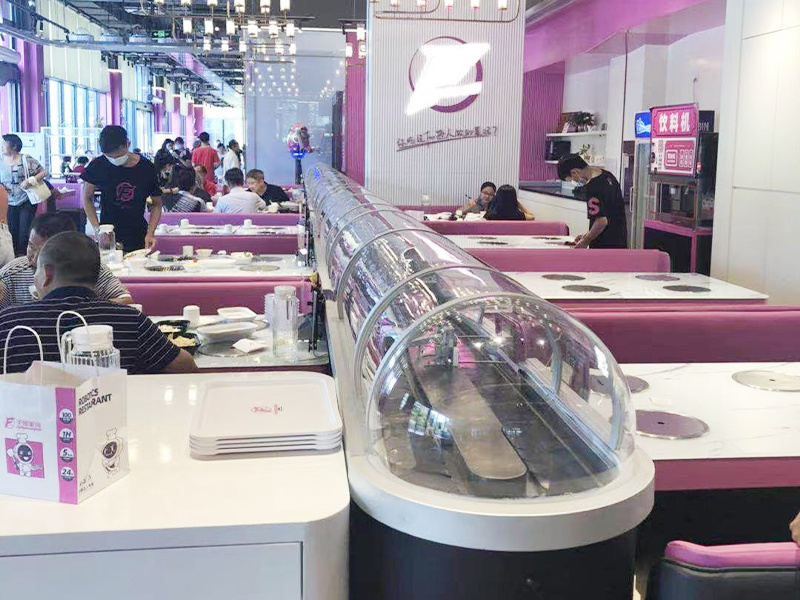
In the ever-evolving landscape of food handling and logistics, **intelligent conveyor systems** are emerging as game-changers. These systems not only convey food products but also integrate advanced technologies, such as artificial intelligence (AI), machine learning, and IoT (Internet of Things), to enhance efficiency and safety. As the demand for automation and precision in food handling grows, businesses in the food industry are increasingly turning to these innovative solutions to meet their operational needs.
2. Importance of Conveyor Systems in Food Handling
Conveyor systems have long been integral to food handling processes. They facilitate the movement of products through various stages of production, from processing to packaging and distribution. The importance of these systems can be summarized in the following ways:
2.1 Enhancing Efficiency
By automating the transportation of goods, conveyor systems significantly reduce manual labor requirements, allowing companies to optimize workflows and increase throughput.
2.2 Ensuring Food Safety
Intelligent conveyor systems can incorporate features that enhance food safety, such as temperature monitoring and contamination detection. These technologies help maintain hygiene standards and comply with food safety regulations.
2.3 Cost Reduction
Automated systems reduce labor costs and minimize the risk of product damage, ultimately leading to lower operational costs in food handling.
3. Emerging Technologies in Conveyor Systems
The landscape of conveyor systems is rapidly changing due to emerging technologies. Below, we explore some key innovations that are shaping the future of food handling.
3.1 Artificial Intelligence and Machine Learning
AI and machine learning algorithms enhance conveyor systems' operational efficiency by predicting maintenance needs, optimizing routes, and analyzing data for continuous improvement. These technologies enable real-time decision-making, ensuring a more responsive food handling process.
3.2 IoT Integration
The integration of IoT devices allows for real-time monitoring and control of conveyor systems. Sensors can track product conditions, detect anomalies, and send alerts to operators, ensuring that any issues are promptly addressed.
3.3 Vision Systems
Advanced vision systems equipped with cameras and imaging technology can assess product quality, ensuring that only the best items move through the conveyor system. These systems can identify defects, measure dimensions, and sort products based on predetermined criteria.
4. Benefits of Intelligent Conveyor Systems in Food Handling
Adopting intelligent conveyor systems in food handling offers numerous benefits to businesses in the industry. Here are some of the key advantages:
4.1 Improved Speed and Efficiency
Intelligent conveyor systems operate at high speeds, significantly reducing the time it takes to move products through the supply chain. This efficiency not only increases productivity but also enhances customer satisfaction through faster delivery times.
4.2 Enhanced Food Safety and Quality Control
With features like real-time monitoring, contamination detection, and quality assessment, intelligent conveyor systems help maintain high food safety standards. This commitment to quality not only protects consumers but also enhances a company's reputation.
4.3 Flexibility and Scalability
Intelligent conveyor systems can be tailored to meet the specific needs of different food handling scenarios. This flexibility allows businesses to scale operations up or down based on demand without significant reconfiguration costs.
5. Applications of Intelligent Conveyor Systems in the Food Industry
Intelligent conveyor systems have diverse applications in the food industry, supporting various processes.
5.1 Processing and Packaging
In processing plants, intelligent conveyor systems streamline the movement of raw materials and finished products. They facilitate efficient packaging processes, ensuring that products are securely packaged for distribution.
5.2 Warehousing and Distribution
Automated conveyor systems in warehouses improve inventory management by efficiently moving goods to and from storage. This not only optimizes space utilization but also speeds up order fulfillment processes.
5.3 Cold Chain Logistics
For perishable goods, maintaining the cold chain is critical. Intelligent conveyor systems equipped with temperature controls and monitoring systems ensure that products remain within safe temperature ranges during transport.
6. Challenges Facing Intelligent Conveyor Systems
Despite their numerous advantages, the implementation of intelligent conveyor systems comes with challenges.
6.1 Initial Investment Costs
The upfront costs associated with upgrading to intelligent conveyor systems can be significant. Businesses must weigh these costs against the potential long-term savings and efficiencies.
6.2 Technical Complexity
Integrating advanced technologies into existing systems can be complex, requiring skilled personnel for installation and maintenance. Companies may need to invest in training to fully leverage these systems.
6.3 Data Security Concerns
With the integration of IoT and AI, data security becomes a critical concern. Companies must implement robust cybersecurity measures to protect sensitive information.
7. The Future of Intelligent Conveyor Systems
Looking ahead, the potential for intelligent conveyor systems in the food industry is vast. As technology advances, we can expect to see even greater automation, improved analytics, and enhanced integration with other systems, such as robotics and automated guided vehicles (AGVs).
7.1 Sustainability Initiatives
The future of food handling will also emphasize sustainability, with intelligent conveyor systems designed to reduce energy consumption and optimize resource use. This shift will not only benefit the environment but also align with consumer demand for sustainable practices in food production.
7.2 Customization and Personalization
As consumer preferences evolve, intelligent conveyor systems will become increasingly customizable, enabling businesses to offer personalized products and services based on customer data and feedback.
7.3 Global Expansion
With the globalization of food supply chains, intelligent conveyor systems will play a crucial role in addressing the complexities of international logistics, ensuring that food products reach consumers fresher and faster than ever before.
8. Conclusion
The future of food handling is undoubtedly intertwined with the evolution of intelligent conveyor systems. These innovative technologies not only enhance operational efficiency but also elevate food safety standards and sustainability efforts. As the food industry continues to adopt these systems, businesses must remain agile, embracing change and leveraging the power of technology to meet the demands of a dynamic market. By investing in intelligent conveyor systems, companies will position themselves for success in an increasingly competitive landscape.
9. FAQs About Intelligent Conveyor Systems
What are intelligent conveyor systems?
Intelligent conveyor systems are advanced automated systems that incorporate technologies like AI, IoT, and machine learning to enhance the efficiency and safety of food handling processes.
How do intelligent conveyor systems improve food safety?
These systems utilize real-time monitoring, contamination detection, and quality assessment technologies to ensure that food products meet safety standards throughout the handling process.
What industries benefit from intelligent conveyor systems?
While primarily used in the food industry, intelligent conveyor systems are also applicable in pharmaceuticals, consumer goods, and manufacturing industries, enhancing efficiency across various sectors.
What are the challenges of implementing intelligent conveyor systems?
Challenges include high initial investment costs, technical complexity, and data security concerns, which businesses must address for successful implementation.
What is the future outlook for intelligent conveyor systems?
The future of intelligent conveyor systems is promising, with advancements in sustainability, customization, and global logistics set to reshape food handling processes and enhance overall efficiency.
Keywords:Intelligent Conveyor System
CATEGORY
Related News

2024-02-03

Related



Founded in 1993, we adhere to the corporate mission of "continuous innovation to achieve customer success" and implement the corporate values of "quality with respect and service with gratitude".
CONTACT US
Add: No.2,Yiheng Rd.,Hengjiao ind. zone, Baiyun distr. Guangzhou China.
WeChat/Tel: +86 13302266689 / 86 13926470046
Tel: +86 20 26272813 / +1 5166663709

WeChat ID.