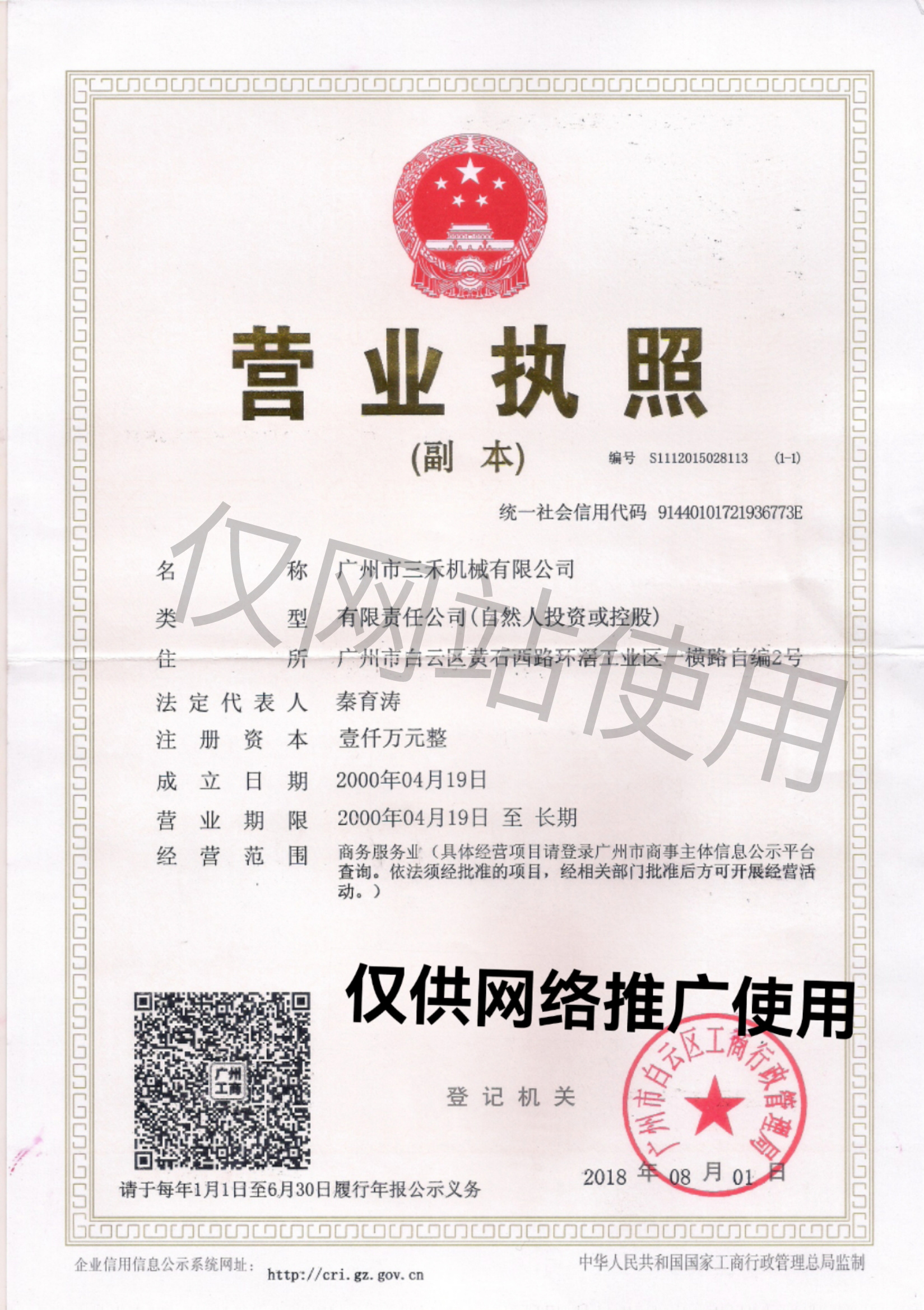


Revolutionizing Food Transport: The Intelligent Conveyor System
Release Time:2025-07-20
In today's fast-paced industrial landscape, the need for efficient and reliable transportation systems has never been more critical, especially in the food storage and transportation sector. The Intelligent Conveyor System is transforming traditional methods of moving goods, offering a range of advanced features that contribute to higher levels of productivity, safety, and cost-effectiveness.
At its core, an Intelligent Conveyor System integrates advanced technologies such as sensors, artificial intelligence, and automation to optimize the movement of products. These systems are designed to handle various food items, from raw ingredients to packaged goods, ensuring that they are transported quickly and securely within warehouses and production facilities. By automating the transport process, businesses can reduce the time and labor costs typically associated with manual handling.
One of the key benefits of Intelligent Conveyor Systems is their ability to monitor and adapt to changing conditions in real-time. Equipped with sensors, these systems can track the flow of materials, identify bottlenecks, and automatically reroute items as needed. This dynamic adaptability not only streamlines operations but also minimizes the risk of product damage—a crucial factor in the food industry, where maintaining quality and safety is paramount.
Additionally, Intelligent Conveyor Systems contribute significantly to maintaining hygienic conditions in food transport. Traditional conveyor systems often accumulate dirt and debris, presenting a risk of contamination. However, intelligent systems are designed with easy-to-clean materials and configurations, ensuring compliance with health and safety regulations. This focus on hygiene is essential for businesses aiming to uphold their reputation and meet strict industry standards.
Furthermore, these systems can enhance traceability throughout the supply chain. With integrated tracking technologies, businesses can monitor the location and status of items in real-time, providing valuable insights into inventory management. This level of transparency helps companies make informed decisions, optimize stock levels, and reduce waste—factors that are particularly important in the perishable food sector.
Implementing an Intelligent Conveyor System can lead to significant improvements in operational efficiency. By reducing labor costs, minimizing product loss, and improving overall throughput, businesses can position themselves for growth in an increasingly competitive market. As technological advancements continue to evolve, the capabilities of Intelligent Conveyor Systems will expand, making them an indispensable asset for modern food transportation.
In summary, the Intelligent Conveyor System represents a significant leap forward in the realm of food storage and transport. With its combination of automation, real-time monitoring, and hygiene compliance, it not only enhances productivity but also ensures that businesses can meet the high standards expected in the food industry. Investing in such systems is not just a trend; it is a strategic move towards a more efficient and sustainable future in food transport.
At its core, an Intelligent Conveyor System integrates advanced technologies such as sensors, artificial intelligence, and automation to optimize the movement of products. These systems are designed to handle various food items, from raw ingredients to packaged goods, ensuring that they are transported quickly and securely within warehouses and production facilities. By automating the transport process, businesses can reduce the time and labor costs typically associated with manual handling.
One of the key benefits of Intelligent Conveyor Systems is their ability to monitor and adapt to changing conditions in real-time. Equipped with sensors, these systems can track the flow of materials, identify bottlenecks, and automatically reroute items as needed. This dynamic adaptability not only streamlines operations but also minimizes the risk of product damage—a crucial factor in the food industry, where maintaining quality and safety is paramount.
Additionally, Intelligent Conveyor Systems contribute significantly to maintaining hygienic conditions in food transport. Traditional conveyor systems often accumulate dirt and debris, presenting a risk of contamination. However, intelligent systems are designed with easy-to-clean materials and configurations, ensuring compliance with health and safety regulations. This focus on hygiene is essential for businesses aiming to uphold their reputation and meet strict industry standards.
Furthermore, these systems can enhance traceability throughout the supply chain. With integrated tracking technologies, businesses can monitor the location and status of items in real-time, providing valuable insights into inventory management. This level of transparency helps companies make informed decisions, optimize stock levels, and reduce waste—factors that are particularly important in the perishable food sector.
Implementing an Intelligent Conveyor System can lead to significant improvements in operational efficiency. By reducing labor costs, minimizing product loss, and improving overall throughput, businesses can position themselves for growth in an increasingly competitive market. As technological advancements continue to evolve, the capabilities of Intelligent Conveyor Systems will expand, making them an indispensable asset for modern food transportation.
In summary, the Intelligent Conveyor System represents a significant leap forward in the realm of food storage and transport. With its combination of automation, real-time monitoring, and hygiene compliance, it not only enhances productivity but also ensures that businesses can meet the high standards expected in the food industry. Investing in such systems is not just a trend; it is a strategic move towards a more efficient and sustainable future in food transport.
Keywords:Intelligent Conveyor System
CATEGORY
Related News
2024-02-03

Related



Founded in 1993, we adhere to the corporate mission of "continuous innovation to achieve customer success" and implement the corporate values of "quality with respect and service with gratitude".
CONTACT US
Add: No.2,Yiheng Rd.,Hengjiao ind. zone, Baiyun distr. Guangzhou China.
WeChat/Tel: +86 13302266689 / 86 13926470046
Tel: +86 20 26272813 / +1 5166663709

WeChat ID.