

Efficiency in Sushi Making: The Role of Automatic Sushi Rice Maki Machines
Release Time:2025-11-26
Efficiency in Sushi Making: The Role of Automatic Sushi Rice Maki Machines
Table of Contents
- Introduction to Sushi and Its Popularity
- Understanding the Sushi-Making Process
- Challenges in Sushi Production
- Introduction to Automatic Sushi Rice Maki Machines
- Benefits of Using Automatic Sushi Rice Maki Machines
- Key Features of Automatic Sushi Rice Maki Machines
- How Automatic Machines Improve Efficiency in Sushi Production
- Real-World Applications of Automatic Sushi Machines
- The Future of Sushi Making Technology
- Conclusion
- FAQs
Introduction to Sushi and Its Popularity
Sushi has transcended its origins as a traditional Japanese dish to become a global culinary phenomenon. From sushi bars in bustling urban centers to casual dining spots, the popularity of sushi is undeniable. Its combination of flavor, artistry, and health benefits has captivated millions, making it a staple in diverse dining experiences. As sushi continues to gain traction, the demand for efficient and high-quality sushi production methods becomes increasingly critical.
Understanding the Sushi-Making Process
The sushi-making process is an intricate art that requires skill and precision. The core components of sushi include vinegared rice, fresh seafood, and a variety of vegetables. Each ingredient must be handled with care to ensure the integrity of the dish. The preparation of sushi rice is particularly crucial, as it serves as the foundation of any sushi roll. Proper seasoning, texture, and stickiness are essential for achieving that perfect mouthfeel.
The process typically involves several key steps: washing and soaking the rice, cooking it to the appropriate consistency, seasoning it with vinegar, and finally assembling the sushi rolls. Skilled sushi chefs also incorporate techniques such as rolling, cutting, and plating to create visually appealing dishes.
Challenges in Sushi Production
Despite the artistry involved, sushi production is not without its challenges. Maintaining consistent quality, ensuring food safety, and managing time efficiently can be daunting tasks for sushi chefs and restaurant owners alike. High customer expectations demand that every sushi piece not only tastes exceptional but also looks aesthetically pleasing.
Additionally, labor shortages in the food service industry have led to increased pressure on sushi restaurants to automate processes without sacrificing quality. As the industry struggles to keep up with rising demand, the use of advanced technology has become a viable solution.
Introduction to Automatic Sushi Rice Maki Machines
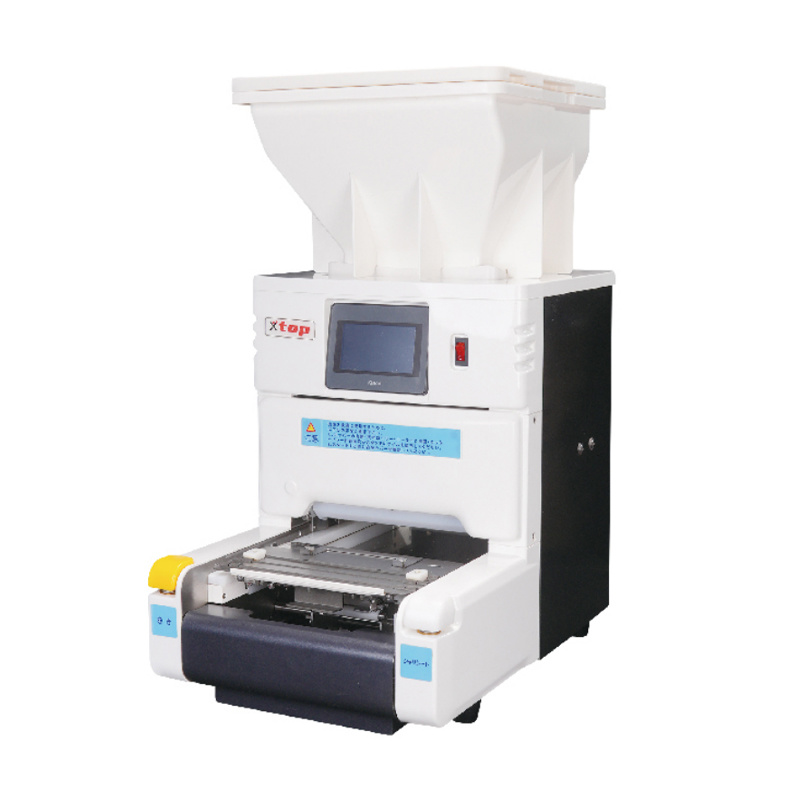
Automatic sushi rice maki machines have emerged as a game-changer in the sushi-making landscape. These machines are designed to automate key processes involved in sushi preparation, significantly improving efficiency and consistency. Utilizing advanced technology, these machines can produce sushi rolls with precision and speed, meeting the high demands of modern restaurants.
These machines streamline operations by handling various tasks such as cooking rice, seasoning it, and rolling sushi with minimal human intervention. By reducing the time and labor required for sushi production, automatic sushi rice maki machines allow chefs to focus on creativity and presentation, rather than repetitive tasks.
Benefits of Using Automatic Sushi Rice Maki Machines
The advantages of incorporating automatic sushi rice maki machines into sushi production operations are manifold:
1. Enhanced Efficiency
Automatic machines can produce sushi rolls at a much faster rate than traditional methods, enabling restaurants to serve more customers in less time. This increased efficiency is especially beneficial during peak hours.
2. Consistent Quality
Consistency is key in sushi making. Automatic machines eliminate human error, ensuring that every roll meets the same high standards of quality regarding taste, texture, and appearance.
3. Reduced Labor Costs
With the automation of sushi production, restaurants can save on labor costs associated with hiring skilled sushi chefs. This allows businesses to allocate resources more effectively, focusing on customer service and menu development.
4. Improved Food Safety
By automating processes such as rice cooking and seasoning, machines minimize the risk of cross-contamination and ensure proper food handling protocols are followed, enhancing overall food safety.
5. Simplified Training
Using automatic sushi rice maki machines simplifies the training process for new staff. Even those with limited culinary experience can produce high-quality sushi with ease, making it easier to adapt to fluctuating labor dynamics.
Key Features of Automatic Sushi Rice Maki Machines
When selecting an automatic sushi rice maki machine, it’s essential to consider the following features:
1. Versatility
Many machines offer the capability to produce various sushi types, including maki rolls, nigiri, and sushi cones, providing flexibility in menu offerings.
2. Adjustable Settings
Look for machines that allow chefs to customize settings for rice texture, roll tightness, and ingredient proportions, ensuring that the final product meets specific preferences.
3. Easy to Clean
Hygiene is paramount in food production. Machines designed with removable parts and simple cleaning protocols make maintenance uncomplicated.
4. Compact Design
Space is often limited in restaurant kitchens. A compact design allows for easy integration into existing kitchen layouts without sacrificing functionality.
5. User-Friendly Interface
A machine with an intuitive user interface simplifies operation, making it easier for staff to learn and operate, thus reducing training time.
How Automatic Machines Improve Efficiency in Sushi Production
The implementation of automatic sushi rice maki machines catalyzes significant enhancements in the efficiency of sushi production. By automating the labor-intensive aspects of sushi making, these machines streamline workflow while maintaining high standards.
1. Time-Saving Processes
From cooking rice to rolling sushi, the automation of these processes dramatically reduces preparation time. This efficiency allows restaurants to serve more customers quickly, boosting sales during busy periods.
2. High Production Capacity
Automatic machines can produce a high volume of sushi rolls in a short time frame, catering to the increasing demand for sushi, especially in large-scale operations and catering businesses.
3. Minimized Waste
Automated systems are designed to use ingredients effectively, significantly minimizing food waste. This not only saves money but also aligns with sustainability practices that many businesses now prioritize.
Real-World Applications of Automatic Sushi Machines
Various restaurants and food production companies have successfully integrated automatic sushi rice maki machines into their operations. For instance, large sushi chains and all-you-can-eat establishments benefit immensely from the speed and consistency these machines provide.
Food trucks and catering companies have also found value in these machines, as they can prepare large quantities of sushi on-the-go without compromising quality. Additionally, grocery stores and supermarkets that offer sushi in their prepared food sections have started using these machines to maintain freshness and reduce labor costs.
The Future of Sushi Making Technology
As technology continues to evolve, the future of sushi-making machines looks promising. Innovations such as artificial intelligence and machine learning are beginning to play a role in enhancing the capabilities of these machines, allowing them to adapt to customer preferences and optimize production processes even further.
In addition, advancements in food safety technology will continue to shape the industry, ensuring that automatic machines meet stringent health regulations while providing high-quality sushi.
Conclusion
The rise of automatic sushi rice maki machines marks a transformative shift in the sushi-making industry. By enhancing efficiency, quality, and consistency, these machines help food establishments meet the growing demand for sushi while overcoming traditional production challenges. Embracing this technology not only streamlines operations but also paves the way for a new era of sushi-making innovation.
FAQs
1. What types of sushi can automatic sushi rice maki machines produce?
Automatic sushi rice maki machines can produce various sushi types, including maki rolls, nigiri, and sushi cones, depending on the specific model and features.
2. How do these machines improve food safety?
By automating cooking and preparation processes, these machines minimize human error and the risk of cross-contamination, ensuring safer food handling.
3. Are automatic sushi machines easy to clean?
Most automatic sushi machines are designed with removable parts and straightforward cleaning protocols, making maintenance easy and hygienic.
4. Can anyone operate an automatic sushi rice maki machine?
Yes, the user-friendly interfaces of these machines allow anyone, even those without culinary experience, to produce high-quality sushi with minimal training.
5. What is the future of sushi-making technology?
The future of sushi-making technology includes advancements in artificial intelligence and machine learning, enhancing the functionality and adaptability of automatic machines.
Keywords:Automatic Sushi Rice Maki
Previous
CATEGORY
Related News
2024-02-03

Related



Founded in 1993, we adhere to the corporate mission of "continuous innovation to achieve customer success" and implement the corporate values of "quality with respect and service with gratitude".
CONTACT US
Add: No.2,Yiheng Rd.,Hengjiao ind. zone, Baiyun distr. Guangzhou China.
WeChat/Tel: +86 13302266689 / 86 13926470046
Tel: +86 20 26272813 / +1 5166663709

WeChat ID.