


Enhancing Customer Satisfaction with Sushi Food Delivery Trains: A Revolutionary Approach to Dining
Release Time:2025-12-10
Enhancing Customer Satisfaction with Sushi Food Delivery Trains
Table of Contents
1. Introduction to Sushi Food Delivery Trains
2. The Evolution of Food Delivery Systems
3. Key Features of Sushi Food Delivery Trains
3.1 Innovative Technology Driving Efficiency
3.2 Design and Aesthetics: A Visual Delight
3.3 Menu Variety and Customization Options
4. The Impact on Customer Experience
4.1 Speed and Convenience
4.2 Engaging Dining Experience
5. Operational Efficiency and Cost-Effectiveness
6. Strategies for Enhancing Customer Engagement
6.1 Interactive Ordering Systems
6.2 Customer Feedback and Continuous Improvement
7. Case Studies: Successful Implementations
8. Frequently Asked Questions (FAQs)
9. Conclusion
1. Introduction to Sushi Food Delivery Trains
In the fast-paced world of food service, innovation is key to keeping customers satisfied and engaged. One of the most exciting advancements in recent years is the introduction of **sushi food delivery trains** in restaurants. These unique systems offer a seamless blend of technology and culinary artistry, enabling customers to enjoy their favorite sushi dishes in an interactive and enjoyable manner. As more establishments adopt this trend, understanding how to maximize customer satisfaction becomes paramount.
2. The Evolution of Food Delivery Systems
The landscape of food delivery has undergone a significant transformation from traditional takeout to more innovative models. Historically, sushi delivery involved simple takeaway options or sit-down dining experiences. With advancements in technology and changing consumer preferences, sushi food delivery trains have emerged as a popular alternative, marrying convenience with creativity.
3. Key Features of Sushi Food Delivery Trains
Sushi food delivery trains incorporate a variety of features designed to elevate the dining experience. Here, we explore the critical components that make these systems appealing to both restaurants and customers.
3.1 Innovative Technology Driving Efficiency
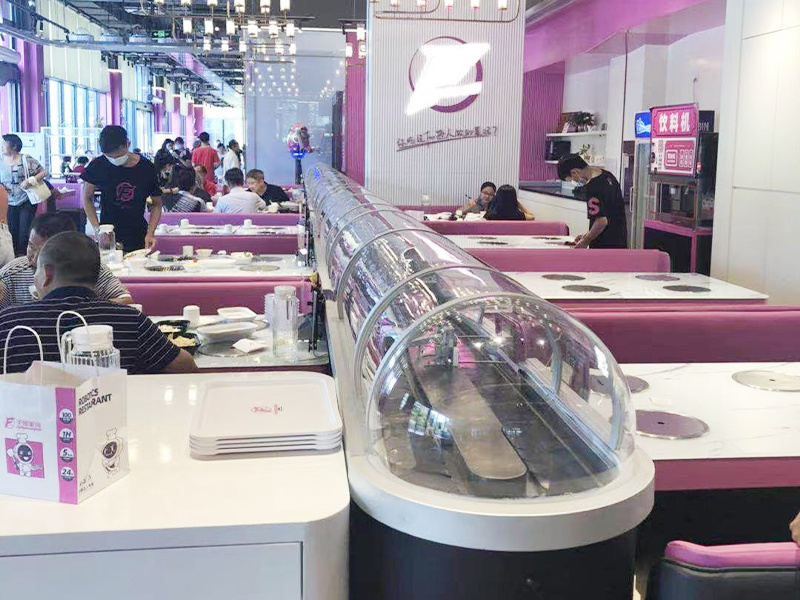
At the heart of sushi food delivery trains is cutting-edge technology. These systems utilize automated tracks and robotic mechanisms to deliver sushi directly to tables. By reducing the need for waitstaff to transport dishes, restaurants can optimize their operations and enhance service speed. This innovative approach not only improves efficiency but also allows staff to focus on customer engagement.
3.2 Design and Aesthetics: A Visual Delight
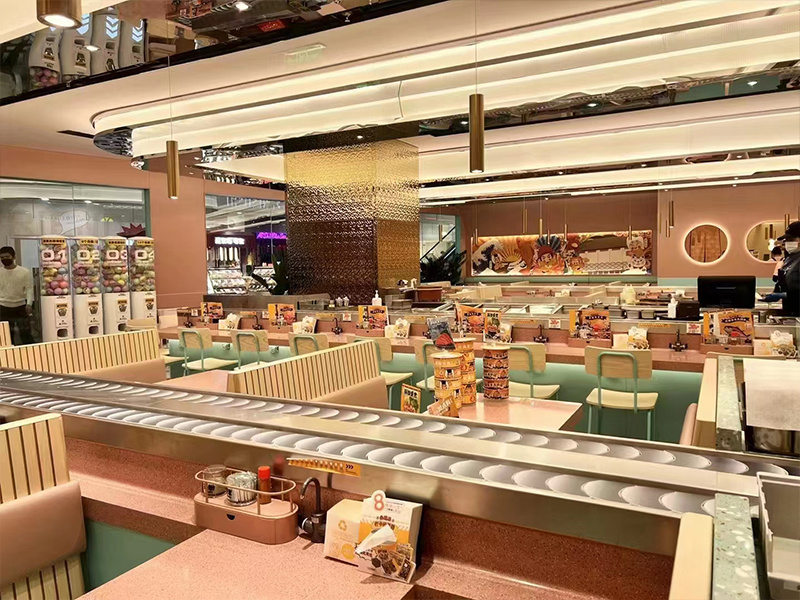
The design of sushi food delivery trains is a crucial factor in attracting customers. With vibrant colors, sleek lines, and captivating displays of sushi creations, these trains serve as moving artwork within the restaurant. The visual appeal of the delivery system enhances the overall dining atmosphere, making it an experience that customers are eager to share.
3.3 Menu Variety and Customization Options
Sushi food delivery trains often feature a wide variety of menu options, allowing customers to choose from classic rolls, sashimi, and even fusion dishes. Many systems also allow for customization, enabling diners to tailor their selections to their tastes. This level of personalization not only satisfies diverse palates but also promotes repeat visits as customers return to explore new possibilities.
4. The Impact on Customer Experience
The introduction of sushi food delivery trains significantly affects the overall customer experience. By examining the various elements of speed, convenience, and engagement, we can understand why these systems are so well-received.
4.1 Speed and Convenience
In today’s fast-paced environment, customers value speed and convenience. Sushi food delivery trains deliver dishes quickly, minimizing wait times and enhancing satisfaction. This efficiency is particularly appealing to busy professionals and families looking for a quick yet enjoyable meal.
4.2 Engaging Dining Experience
Beyond speed, the novelty of watching sushi glide past on a train creates an engaging atmosphere. This interactive element encourages diners to explore a wider range of options. The excitement of selecting dishes directly from the moving train elevates the dining experience, making it memorable and shareable.
5. Operational Efficiency and Cost-Effectiveness
From a business perspective, sushi food delivery trains offer substantial operational advantages. By automating the delivery process, restaurants can reduce labor costs and improve workflow. Moreover, the unique concept draws in more customers, leading to increased sales and a higher return on investment.
6. Strategies for Enhancing Customer Engagement
To make the most of sushi food delivery trains, restaurants must implement effective customer engagement strategies. Here are some proven techniques to consider:
6.1 Interactive Ordering Systems
Incorporating **interactive ordering systems** can elevate customer engagement further. Allowing diners to place orders via tablets or mobile apps enhances convenience and provides valuable data for restaurant operators. This technology can also facilitate special promotions and upselling opportunities.
6.2 Customer Feedback and Continuous Improvement
Establishing a culture of feedback is essential for continuous enhancement. Restaurants should actively seek customer opinions regarding their experiences with sushi food delivery trains. By analyzing feedback, establishments can make informed decisions about menu adjustments, technological upgrades, and service improvements.
7. Case Studies: Successful Implementations
Examining successful implementations of sushi food delivery trains can provide valuable insights. For instance, a well-known sushi chain in Japan adopted this system and saw a **25% increase in customer satisfaction** scores within the first year. Similarly, a restaurant in the United States reported that the introduction of sushi trains led to an **increase in foot traffic** and a decrease in order wait times.
8. Frequently Asked Questions (FAQs)
What are sushi food delivery trains?
Sushi food delivery trains are automated systems that transport sushi dishes directly to customer tables, enhancing the dining experience through speed and interactivity.
How do sushi food delivery trains improve operational efficiency?
By automating the delivery process, sushi food delivery trains reduce the need for waitstaff to transport dishes, allowing staff to focus more on customer service and reducing labor costs.
Can sushi food delivery trains handle dietary restrictions?
Many sushi delivery train systems offer customizable menu options that cater to various dietary needs, including vegetarian and gluten-free selections.
What is the customer experience like with sushi food delivery trains?
Customers enjoy a unique and engaging dining experience, as they can select dishes directly from a moving train, leading to a faster and more interactive meal.
How can restaurants effectively gather customer feedback?
Restaurants can use surveys, comment cards, and digital platforms to gather customer feedback, allowing for continuous improvement based on guest experiences.
9. Conclusion
In conclusion, sushi food delivery trains represent a pioneering approach to enhancing customer satisfaction in the dining industry. By integrating innovative technology, engaging design, and efficient operational strategies, restaurants can create a memorable dining experience that resonates with customers. As the culinary landscape continues to evolve, embracing such advancements will be crucial for establishments aiming to stay ahead of the competition and foster customer loyalty.
Keywords:Sushi Food Delivery Trains
CATEGORY
Related News
2024-02-03

Related



Founded in 1993, we adhere to the corporate mission of "continuous innovation to achieve customer success" and implement the corporate values of "quality with respect and service with gratitude".
CONTACT US
Add: No.2,Yiheng Rd.,Hengjiao ind. zone, Baiyun distr. Guangzhou China.
WeChat/Tel: +86 13302266689 / 86 13926470046
Tel: +86 20 26272813 / +1 5166663709

WeChat ID.