

From Production to Delivery: Intelligent Conveyor Systems in Food Supply Chains
Release Time:2026-02-04
From Production to Delivery: Intelligent Conveyor Systems in Food Supply Chains
Table of Contents
- Introduction to Intelligent Conveyor Systems
- The Importance of Efficient Food Supply Chains
- Technological Advancements in Conveyor Systems
- Benefits of Intelligent Conveyor Systems in the Food Industry
- Case Studies: Real-World Applications
- Challenges in Implementing Conveyor Systems
- The Future of Intelligent Conveyor Systems
- Conclusion
- Frequently Asked Questions
Introduction to Intelligent Conveyor Systems
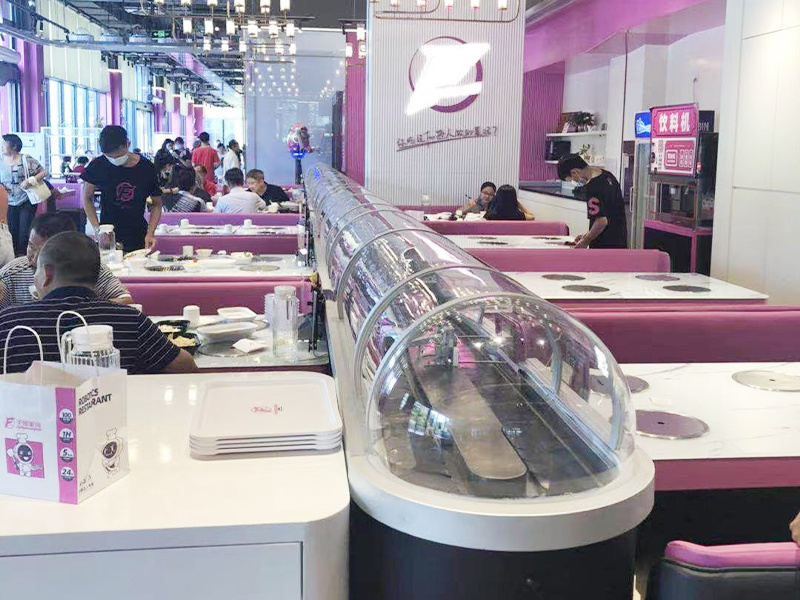
In the rapidly evolving landscape of the food supply chain, **intelligent conveyor systems** play a pivotal role in enhancing efficiency and maintaining product integrity. These systems serve as the backbone of many food processing and distribution operations, ensuring that products move seamlessly from production facilities to end consumers. As consumer demands shift towards faster delivery times and higher quality standards, the need for automated solutions in the food industry has never been more pressing.
The Importance of Efficient Food Supply Chains
A well-optimized food supply chain is crucial for several reasons:
1. Quality Control
Maintaining the quality of perishable goods is vital. Intelligent conveyor systems are designed to minimize handling and reduce the risk of contamination, ensuring that food products retain their freshness throughout the supply chain.
2. Cost Efficiency
By automating the movement of goods, companies can reduce labor costs and minimize human error. This cost-saving aspect is particularly significant in an industry where margins can be thin.
3. Faster Delivery Times
In today’s fast-paced market, consumers expect quick delivery. Intelligent conveyor systems facilitate the rapid transportation of goods, meeting consumer expectations and enhancing customer satisfaction.
Technological Advancements in Conveyor Systems
The integration of cutting-edge technologies has transformed traditional conveyor systems into **intelligent solutions** that adapt to the needs of modern food supply chains.
1. AI and Machine Learning
Artificial Intelligence (AI) and machine learning algorithms enable conveyor systems to optimize routes, predict maintenance needs, and enhance overall operational efficiency. These technologies can analyze vast amounts of data to improve decision-making processes.
2. IoT Integration
The **Internet of Things (IoT)** allows conveyor systems to communicate with other equipment and systems in real-time. This connectivity enhances visibility across the supply chain, enabling better tracking and monitoring of products.
3. Robotics and Automation
Automation through robotics is increasingly prevalent in food supply chains. Robotic arms can work in conjunction with conveyor systems to pick, sort, and pack products, significantly speeding up the process while maintaining accuracy.
Benefits of Intelligent Conveyor Systems in the Food Industry
Implementing intelligent conveyor systems offers numerous benefits that contribute to overall productivity and sustainability.
1. Enhanced Safety
Automated systems reduce the need for manual handling, thereby decreasing the risk of workplace accidents. Safety features integrated into conveyor systems further protect workers and products alike.
2. Real-Time Monitoring
With IoT connectivity, operators can monitor conveyor systems in real-time, allowing for immediate intervention when issues arise. This capability ensures smoother operations and reduces downtime.
3. Improved Traceability
Traceability is essential in the food industry, especially in the event of a recall. Intelligent conveyor systems can track products throughout the supply chain, providing accurate records that enhance accountability and transparency.
Case Studies: Real-World Applications
To illustrate the effectiveness of intelligent conveyor systems, we explore several case studies that highlight their impact in the food supply chain.
1. Case Study 1: Global Snack Manufacturer
A leading snack manufacturer implemented an intelligent conveyor system that utilized AI and IoT technologies. They reported a **30% increase** in throughput and a **20% reduction** in labor costs, showcasing the system's efficiency.
2. Case Study 2: Fresh Produce Distributor
A fresh produce distributor adopted a conveyor system designed for temperature control and real-time tracking. This investment resulted in improved product quality and a **25% reduction** in spoilage rates.
Challenges in Implementing Conveyor Systems
Despite the numerous benefits, businesses may face several challenges when implementing intelligent conveyor systems.
1. High Initial Costs
The upfront investment in advanced conveyor technologies can be significant. Companies must weigh these costs against the long-term benefits of improved efficiency and productivity.
2. Integration with Existing Systems
Integrating new conveyor systems with legacy systems may pose technical hurdles. It is crucial to ensure that all components work together seamlessly to avoid disruptions in operations.
3. Training and Skill Development
Employees may require training to effectively operate and maintain intelligent conveyor systems. Providing adequate resources for skill development is essential for maximizing the benefits of these systems.
The Future of Intelligent Conveyor Systems
As technology continues to evolve, the future of intelligent conveyor systems in food supply chains looks promising. Innovations in AI, machine learning, and robotics will further enhance operational efficiency and product quality.
1. Increased Customization
Future conveyor systems will be more adaptable to specific needs, allowing businesses to tailor solutions for their unique requirements.
2. Sustainable Practices
With a growing emphasis on sustainability, intelligent conveyor systems will increasingly incorporate eco-friendly technologies, reducing energy consumption and waste.
3. Data-Driven Decision Making
As data analytics capabilities improve, businesses will leverage insights gained from conveyor systems to make informed decisions that enhance overall supply chain performance.
Conclusion
Intelligent conveyor systems have become an indispensable component of modern food supply chains. Their ability to enhance efficiency, ensure product quality, and facilitate real-time monitoring positions them at the forefront of industry innovation. As we move forward, the integration of advanced technologies will continue to reshape the landscape of food transportation and storage, ultimately benefiting consumers and businesses alike.
Frequently Asked Questions
1. What are intelligent conveyor systems?
Intelligent conveyor systems are automated solutions that use technology such as AI, IoT, and robotics to efficiently transport goods within a supply chain.
2. How do intelligent conveyor systems improve food safety?
By reducing manual handling and implementing safety features, intelligent conveyor systems minimize the risk of contamination and workplace accidents.
3. What are the costs associated with implementing these systems?
While the initial investment can be high, businesses often see significant long-term savings through increased efficiency and reduced labor costs.
4. Can intelligent conveyor systems be integrated with existing infrastructure?
Yes, integration is possible, but it may require careful planning and technical expertise to ensure compatibility with legacy systems.
5. What is the future outlook for conveyor systems in the food industry?
The future is promising, with advancements in customization, sustainability, and data analytics expected to further enhance the role of intelligent conveyor systems in food supply chains.
Keywords:Intelligent Conveyor System
CATEGORY
Related News

2024-02-03

Related



Founded in 1993, we adhere to the corporate mission of "continuous innovation to achieve customer success" and implement the corporate values of "quality with respect and service with gratitude".
CONTACT US
Add: No.2,Yiheng Rd.,Hengjiao ind. zone, Baiyun distr. Guangzhou China.
WeChat/Tel: +86 13302266689 / 86 13926470046
Tel: +86 20 26272813 / +1 5166663709

WeChat ID.